Local Septic Tank Experts in Miami
Locally owned & operated. 15+ years serving Miami-Dade County with reliable septic pumping, repair, and installation. Licensed, insured, bilingual.
Our Services
Comprehensive septic solutions for every need — from routine pump-outs to full system installations.
Septic Tank Pumping & Cleaning
Regular pump-outs to keep your system running efficiently. Recommended every 3-5 years for Miami-Dade homes.
Drainfield Installation & Repair
Installation, repair, and replacement of drain fields — critical in South Florida's high water table.
Alternative Septic Systems (ATU)
Installation, maintenance, and repair of ATU and nitrogen-reducing septic systems.
Grease Trap Cleaning
Commercial and residential grease trap pumping and maintenance. Compliant with Miami-Dade regulations.
Certifications / Inspections
Comprehensive inspections for real estate transactions, FHA requirements, and system health checks.
Storm Drain Cleaning
Professional storm drain and catch basin cleaning to prevent flooding during Miami's rain season.
Hydro Jetting
High-pressure water jetting to clear blockages, grease buildup, and root intrusion.
Emergency 24/7 Service
Septic backup? Overflow? We respond to emergencies around the clock — call now.
Why Miami Trusts Us
We're not the biggest — we're the most reliable.
Years Serving Miami-Dade
Jobs Completed
Emergency Response
Serving All of Miami-Dade County
From Homestead to Miami Beach — we're in your neighborhood.
Protecting Biscayne Bay
Miami-Dade's septic systems directly impact our waterways. We're committed to environmentally responsible practices — from nitrogen-reducing system upgrades to proper waste disposal. We work with the county's Biscayne Bay Task Force to help homeowners meet evolving environmental standards.
Our Work
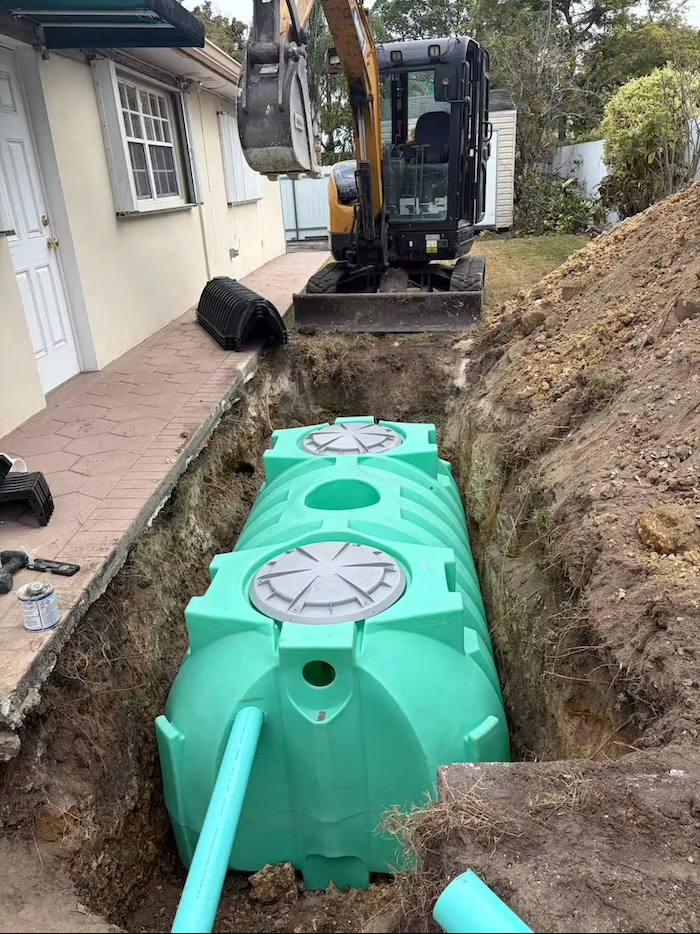
Real projects completed across Miami-Dade County.
Common Questions
Quick answers to what homeowners ask most.
How does a septic system work in South Florida?
A septic system collects wastewater from your home into an underground tank where solids settle and bacteria break down organic matter. The liquid effluent then flows into a drain field, where it percolates through South Florida's porous limestone soil. Because Miami-Dade has an exceptionally high water table, proper system design and maintenance are critical to prevent groundwater contamination.
What are the signs my septic system has a problem?
Warning signs include slow drains, sewage odors in your yard, unusually green or spongy grass over the drain field, gurgling sounds in your plumbing, and sewage backups inside the home. In Miami-Dade, standing water after light rain can also indicate drain field failure because the high water table reduces the soil's absorption capacity.
How long does a septic system last in Miami-Dade?
A well-maintained conventional septic system typically lasts 20 to 30 years in Miami-Dade County. However, South Florida's corrosive limestone soil and high water table can shorten that lifespan if routine pumping and inspections are neglected. Advanced nitrogen-reducing systems may have different maintenance intervals that affect their longevity.
How often should I pump my septic tank?
Most Miami-Dade households should pump their septic tank every 3 to 5 years, though households with garbage disposals, water softeners, or more than four occupants may need pumping every 1 to 3 years. Florida Department of Health recommends evaluating frequency based on tank size and household water usage.
Can I use a garbage disposal with a septic system?
You can use a garbage disposal, but it significantly increases the volume of solids entering your tank and may require you to pump 50% more frequently. In South Florida, where efficient treatment is especially important due to environmental regulations protecting Biscayne Bay, we recommend minimizing garbage disposal use or choosing a septic-rated unit.
What happens during a septic tank pump-out?
Our technician locates and uncovers the tank access lids, then uses a vacuum truck to remove all sludge, scum, and liquid from the tank. We also perform a basic visual inspection of baffles and structural components. The entire process typically takes 30 to 60 minutes for a standard residential tank.
Ready to Get Started?
Get a free, no-obligation estimate. We'll respond within 1 hour.