
Skip to content
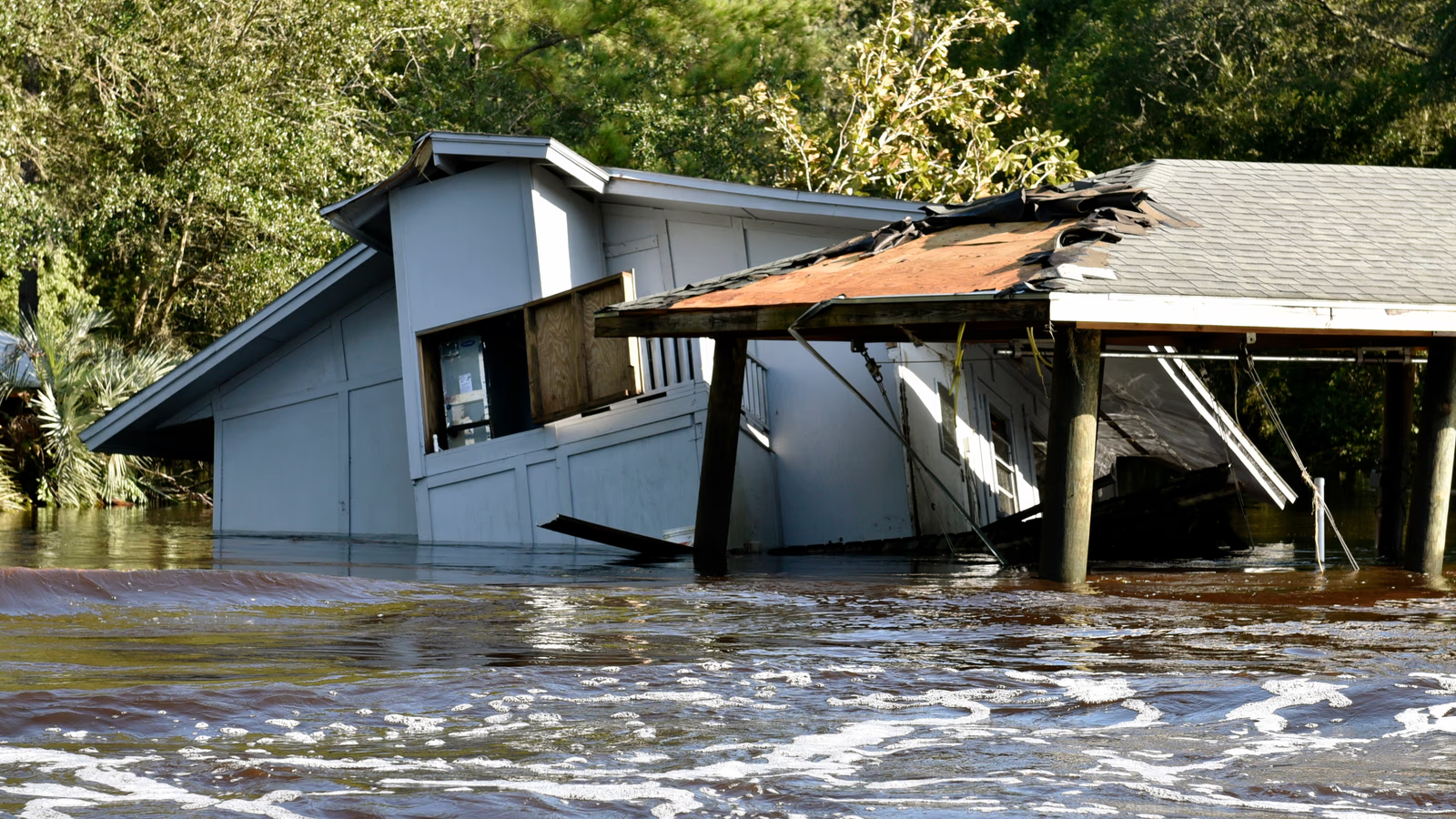
Flooded residential area in Miami-Dade during hurricane season affecting septic system infrastructure
Emergency 11 min read

Hurricane Season & Your Septic System: A Miami Survival Guide

Miami-Dade's hurricane season runs June through November, bringing flooding, power outages, and saturated soil that can devastate septic systems. This guide covers everything you need to do before, during, and after a storm to protect your system and your family.

Published: February 19, 2026 Septic Tank Miami LLC

Why Hurricanes Are a Serious Threat to Septic Systems

Miami-Dade County sits at the intersection of two realities that make hurricane season uniquely dangerous for septic system owners: we are one of the most hurricane-prone regions in the United States, and we have one of the highest water tables anywhere in the country. When a major storm hits, these two factors combine to create conditions that can overwhelm even a well-maintained septic system in a matter of hours.

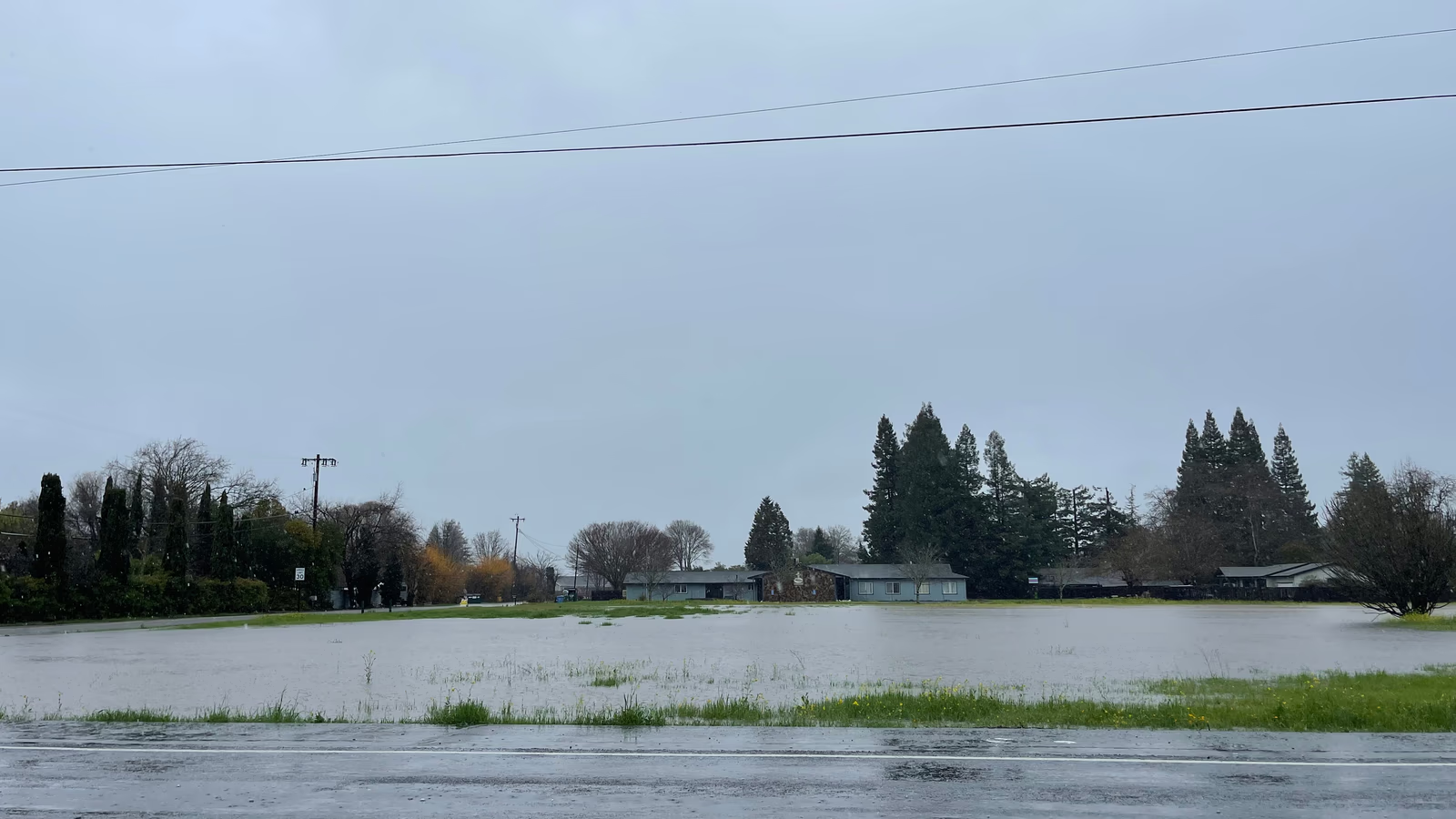
During a hurricane or tropical storm, heavy rainfall rapidly raises the already-shallow water table. In many Miami-Dade neighborhoods, the water table normally sits 2–6 feet below grade. During a major storm event, it can rise to the surface, completely submerging the drain field and even reaching the septic tank itself. When groundwater saturates the drain field soil, treated effluent has nowhere to absorb — the system effectively stops working.

Storm surge and flooding add surface water that overwhelms the system from above while the rising water table attacks from below. This hydraulic sandwich can cause raw sewage to surface in yards, back up into homes, and contaminate floodwaters with dangerous pathogens. After Hurricane Irma in 2017, thousands of Miami-Dade septic systems experienced failures, backups, or contamination events that took weeks to resolve.
Pre-Hurricane Septic System Checklist

Preparation is everything. The work you do in the weeks before a storm determines how well your system survives and how quickly it recovers. Start this checklist at the beginning of hurricane season (June 1) and complete storm-specific items as soon as a tropical system threatens South Florida.

Season-Start Preparation (June)

At the start of hurricane season, complete these foundational steps:

  • Pump your tank: If you are within a year of your scheduled pump-out, do it now. A recently pumped tank has maximum capacity to absorb storm-related water intrusion without backing up. Schedule pumping today.
  • Inspect the system: Have a professional check tank integrity, baffle condition, and drain field performance. Fix any issues before storm season — you do not want to discover a cracked lid or failing baffle during a Category 3 hurricane.
  • Map your system: Know exactly where your tank, lids, distribution box, and drain field are located. Mark them with durable stakes that will survive wind and flooding. After a storm, debris and shifted landscaping can make your system impossible to find without these markers.
  • Install risers if you haven't already: Risers bring tank lids to grade level, making post-storm emergency access fast and easy. They also prevent the burial and loss of access lids during flooding events.
  • Document your system: Photograph tank locations, record the as-built drawing location (usually on file with DERM), and store your septic contractor's emergency contact number in your phone.

Storm-Specific Preparation (72-24 Hours Before)

When a tropical storm or hurricane is forecast for Miami-Dade:

  • Reduce water usage: Start conserving water 48–72 hours before the storm to lower the liquid level in your tank and give the drain field time to dry out as much as possible before saturation.
  • Secure the electrical system: If you have an aerobic treatment unit (ATU) or effluent pump, verify the generator can power it. Turn off the system's circuit breaker if flooding is imminent to prevent electrical damage.
  • Clear the drain field area: Remove any objects, furniture, vehicles, or temporary structures from over the drain field. Storm surge and flooding can shift heavy items, crushing distribution pipes beneath.
  • Divert surface water: If possible, direct gutters and surface drainage away from the drain field and tank area. Every gallon of stormwater you keep off the drain field extends its function during the event.

During the Hurricane: Protecting Your System

Once the storm arrives, your options are limited, but there are important steps to minimize damage:

  • Minimize water usage to the absolute essential. Every flush, every shower, every sink use sends water into a system that may already be overwhelmed. Use water only for drinking and essential sanitation.
  • Do not pump the tank during flooding. This is counterintuitive but critical. An empty or partially empty tank surrounded by saturated soil can experience "buoyancy" — the groundwater pressure literally pushes the tank out of the ground. A full tank is heavier and resists this force. Professional pumping should only happen after the water table recedes.
  • Stay away from the septic area. Floodwater that has contacted a septic system is contaminated with sewage. Do not wade through standing water near your tank or drain field. Keep children and pets indoors and away from any outdoor flooding.

If sewage begins backing up into the house, stop all water use immediately. If possible, use a portable toilet or travel to a shelter with functioning sanitation. Do not attempt to access or repair the septic system while the storm is active — it is too dangerous and any repair will be futile until the water recedes.

Power outages affect aerobic treatment units and effluent pumps. Without power, these components cannot function, and the system reverts to basic gravity flow (or stops working entirely if it relies on a pump for effluent distribution). Running a generator to power the ATU air blower is worthwhile if you can do so safely.

Post-Hurricane Assessment: What to Check First

Once the storm passes and it is safe to go outside, assess your septic system carefully before resuming normal water use. The damage may not be immediately obvious, and using a compromised system can make things significantly worse.

  • Inspect the tank area visually. Look for shifted tank lids, exposed risers, sinkholes or settling around the tank, and any debris that may have landed on system components.
  • Check the drain field. Walk the drain field area (wearing boots, not sandals) and look for standing water, sewage odors, saturated soil, or any areas where the ground has shifted or settled. Note any new wet spots that were not present before the storm.
  • Test drains cautiously. Run a small amount of water (flush one toilet, run one sink) and observe. If the water drains slowly or not at all, the system is still overwhelmed and you should minimize water use until conditions improve.
  • Check the electrical components. If you have an ATU, effluent pump, or alarm system, inspect the panel for water damage, tripped breakers, or fault indicators before restoring power. If anything looks damaged, leave it off and call a professional.

Do not attempt to pump the tank yourself or open the tank lid until the water table has receded. Opening a tank that is surrounded by saturated soil allows groundwater to flood in, diluting the contents and potentially destabilizing the tank structure.

Recovering from Septic System Flood Damage

After a significant flooding event, your septic system needs time and possibly professional intervention to return to normal operation. Here is the typical recovery timeline for Miami-Dade properties:

Days 1–3 after flooding: Continue minimizing water use. The drain field soil needs time to drain and dry. Saturated soil cannot absorb effluent, so every gallon you send to the system during this period either backs up or surfaces. Expect slow drains during this period — it does not necessarily mean permanent damage.

Days 3–7: If drains are still slow after 3–5 days of minimal use, call a professional. The tank may need pumping to remove floodwater and debris that entered through the lids or cleanout access. A professional inspection at this point can identify whether the system sustained structural damage.

Weeks 2–4: Drain fields in Miami-Dade's limestone and sandy soils typically recover within 2–4 weeks after the water table recedes, assuming the system was in good condition before the storm. During recovery, continue conserving water and avoid running heavy water loads like multiple consecutive laundry cycles.

Beyond 4 weeks: If the system has not returned to normal function after a month, the storm likely caused or exposed a more serious problem — such as soil clogging, pipe displacement, or tank damage — that requires repair or replacement.

Storm Drains and Your Septic System: A Critical Distinction

Many Miami-Dade homeowners confuse storm drains with their septic system, but they are entirely separate systems with different functions. Understanding the distinction is important for hurricane preparedness.

Your septic system handles wastewater from inside your home — toilets, sinks, showers, laundry, and dishwashers. It is a private system on your property that treats and disperses this wastewater through your drain field.

Storm drains are the public infrastructure — street inlets, curb drains, and underground pipes — that carry rainwater and surface runoff away from roads and properties. They typically discharge into canals, retention areas, or directly into Biscayne Bay.

During hurricanes, both systems can become overwhelmed simultaneously. Clogged or insufficient storm drains cause surface flooding that saturates the ground over your septic system. If storm drain maintenance in your neighborhood has been neglected, the flooding — and the impact on your septic system — will be worse. Report clogged street drains to Miami-Dade Public Works well before hurricane season.

Never connect your septic system to the storm drain system or vice versa. This is illegal, environmentally destructive, and creates a pathway for raw sewage to flow directly into waterways during heavy rain events.

Health Risks: Floodwater Contaminated by Septic Waste

When floodwater interacts with a septic system, the water becomes a serious health hazard. Floodwater contaminated by septic waste contains bacteria (E. coli, Salmonella, Leptospira), viruses (hepatitis A, norovirus), and parasites (Giardia, Cryptosporidium) that can cause severe illness through skin contact, ingestion, or inhalation of contaminated aerosols.

After a hurricane, treat all standing water on your property as potentially contaminated, especially if it is near the septic tank or drain field area. Specific precautions include:

  • Wear waterproof boots and gloves when walking through any standing water on your property.
  • Keep children and pets out of flood-affected areas until the water has fully receded and the ground has dried.
  • Do not use flood-affected well water for drinking, cooking, or brushing teeth until it has been tested and cleared.
  • Wash any skin that contacts floodwater immediately with soap and clean water. Disinfect any cuts or open wounds that may have been exposed.
  • Do not eat any food from gardens or fruit trees in the drain field area until the next growing cycle after floodwaters have completely receded.

If floodwater entered your home, professional biohazard cleanup is recommended for any areas that were submerged, particularly if sewage odor is present. Standard mopping is not sufficient to eliminate the bacterial contamination.

When to Call for Emergency Septic Service After a Storm

Not every post-storm septic issue requires emergency service. Many systems recover on their own once the water table drops and the drain field soil dries out. However, certain situations warrant an emergency call:

  • Sewage backing up into the home: This is always an emergency. Stop all water use and call immediately.
  • Raw sewage surfacing in the yard: Standing sewage is a health hazard that needs professional remediation, especially if it is in areas where people or pets walk.
  • Strong sewage odor that persists more than 48 hours after flooding recedes: Temporary odors during flooding are normal; persistent odors after the water drops indicate an ongoing failure.
  • Visible tank displacement: If the tank has shifted, tilted, or partially risen from the ground, it needs immediate professional assessment. Pipe connections may be broken.
  • Electrical system damage to ATU or pump: If your aerobic treatment unit or effluent pump was submerged, do not restore power until a professional has inspected it. Water-damaged electrical components are a fire and shock hazard.

After major storms, septic companies experience extremely high demand. If your system needs emergency service, call early and be patient — crews are working around the clock but prioritize by severity. Interior backups and health hazards take priority over slow drains and odors.

Insurance, FEMA, and Financial Recovery

Septic system damage from hurricanes falls into a gray area for insurance coverage. Here is what Miami-Dade homeowners need to know:

Homeowner's insurance: Standard policies typically exclude flood damage. However, if your septic damage was caused by wind (such as a fallen tree crushing the tank) rather than flooding, your homeowner's policy may cover it. Document all damage thoroughly with photographs and written descriptions before any cleanup or repair begins.

Flood insurance (NFIP): If you carry a National Flood Insurance Program policy, it may cover septic system damage caused by flooding, but coverage for underground infrastructure varies by policy. Contact your flood insurance provider immediately after the storm and before authorizing any repairs.

FEMA assistance: After a federally declared disaster (which most major hurricanes affecting Miami-Dade receive), FEMA's Individuals and Households Program may provide grants for septic system repair or replacement as part of essential home repair assistance. Apply at DisasterAssistance.gov as soon as the declaration is issued — funds are limited and allocated on a first-come basis.

SBA disaster loans: The Small Business Administration offers low-interest disaster loans to homeowners (not just businesses) for repair of disaster-damaged property, including septic systems. Loan amounts up to $200,000 for real property repair are available at below-market rates.

Keep all receipts, invoices, and documentation related to emergency service, repair, and replacement. Photograph everything before, during, and after the work. These records are essential for insurance claims and FEMA applications.

Rising Seas, Rising Water Table: Long-Term Outlook

Climate change is not a future concern for Miami-Dade septic systems — it is a current one. Sea level rise directly elevates the water table in coastal and low-lying areas, permanently reducing the vertical separation between drain fields and groundwater. According to the Southeast Florida Regional Climate Change Compact, Miami-Dade can expect an additional 10–17 inches of sea level rise by 2040 and 21–54 inches by 2060.

For septic system owners, this means:

  • Drain fields that work today may not have adequate separation in 10–15 years as the water table rises.
  • Hurricane flooding events will become more severe as higher baseline water tables leave less room for storm absorption.
  • Regulatory requirements are tightening. Miami-Dade's push to connect more properties to municipal sewer is partly driven by the recognition that conventional septic systems are becoming less viable in a rising-sea-level environment.
  • Advanced treatment systems (nitrogen-reducing ATUs) are increasingly required for new installations and major repairs in sensitive areas near Biscayne Bay and the coast.

When planning major septic work — whether repair or replacement — consider the long-term viability of your system given these trends. A mounded system or ATU may cost more upfront but provides resilience against rising water tables. And if municipal sewer is coming to your area within 5–10 years, a connection may be more cost-effective than a major septic investment.

Hurricane-Ready Septic Service for Miami-Dade

Do not wait until a storm is in the forecast to think about your septic system. Septic Tank Miami LLC provides year-round maintenance, pre-hurricane preparation, and rapid-response emergency service throughout Miami-Dade County.

Our hurricane preparedness services include pre-season pump-outs and inspections, system hardening recommendations, post-storm assessment and emergency pumping, and flood water removal for properties affected by storm surge and rising groundwater.

Call (786) 582-1672 to schedule your pre-hurricane septic inspection or contact us online. Preparation today prevents emergencies tomorrow.

Frequently Asked Questions

Should I pump my septic tank before hurricane season?

Yes, if you are within a year of your scheduled pump-out. A recently pumped tank has maximum capacity to handle stormwater intrusion without backing up. Schedule pumping in May or early June before the season begins on June 1.

Can a hurricane push my septic tank out of the ground?

Yes. This is called "tank buoyancy" or "flotation" and it happens when the water table rises high enough to exert more upward pressure than the weight of the tank. Concrete tanks are heavier and more resistant, but lighter fiberglass and polyethylene tanks are particularly vulnerable. Never pump a tank during flooding — the reduced weight makes flotation more likely.

How long does it take a septic system to recover after a hurricane?

Most systems in Miami-Dade recover within 2 to 4 weeks after the water table recedes, assuming the system was in good condition before the storm. During recovery, minimize water use and avoid running heavy water loads. If the system has not returned to normal after 4 weeks, professional assessment is needed.

Does FEMA pay for septic system repairs after a hurricane?

After a federally declared disaster, FEMA may provide grants for septic system repair through the Individuals and Households Program. Coverage is not guaranteed and depends on available funds and individual circumstances. Apply at DisasterAssistance.gov as soon as the declaration is issued. Keep all receipts and document damage with photographs.

Is it safe to use my septic system during a flood?

You should minimize use as much as possible. Every flush or drain use adds water to an already overwhelmed system, increasing the risk of backup. If sewage begins backing up, stop all water use immediately. Floodwater near the septic system should be treated as contaminated — avoid contact and keep children and pets away.

Need Septic Help?

Get a free estimate or schedule your service today.

Call Now Book Online WhatsApp