
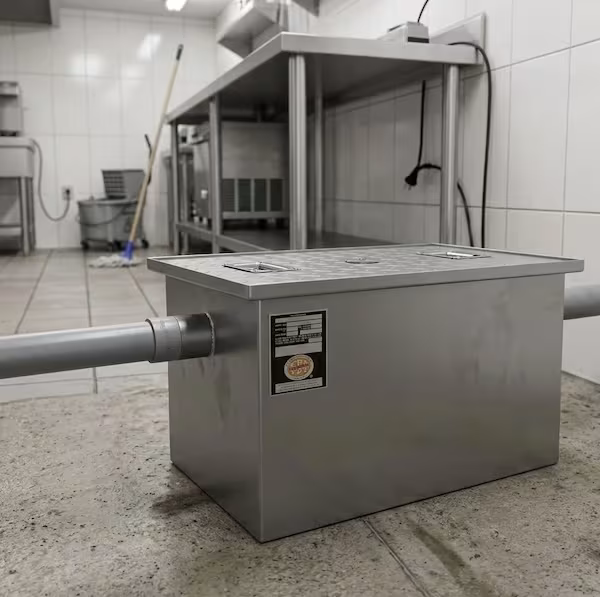
Grease Trap Cleaning & Maintenance in Miami
Commercial and residential grease trap pumping, cleaning, and maintenance. Fully compliant with Miami-Dade health department regulations.
Grease traps (also called grease interceptors) capture fats, oils, and grease (FOG) before they enter your septic system or the municipal sewer line. In Miami-Dade County, restaurants, commercial kitchens, and food service establishments are required by the health department to maintain grease traps and provide proof of regular cleaning.
Neglected grease traps cause backups, foul odors, health code violations, and fines. In septic-connected properties, excess grease that bypasses a failed trap will destroy the drain field — the most expensive component to replace. For sewer-connected commercial properties, FOG discharge violations can result in fines from Miami-Dade WASD (Water and Sewer Department).
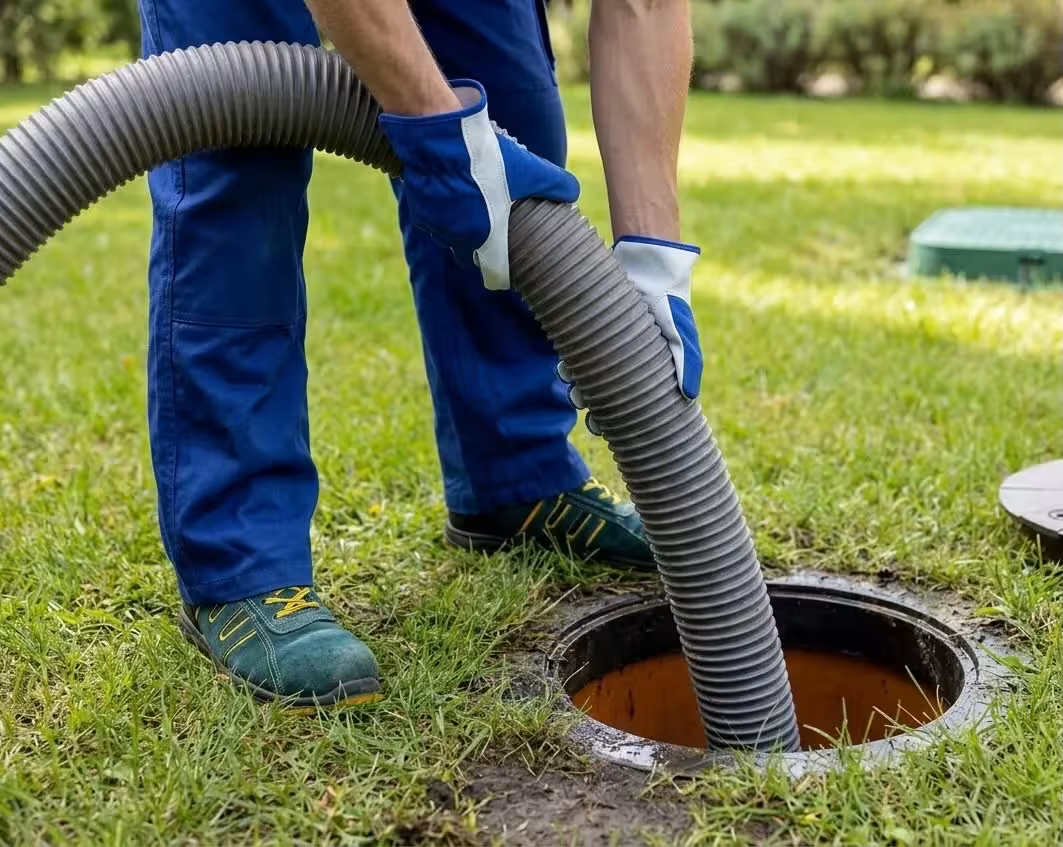
We service grease traps of all sizes — from 20-gallon under-sink units in residential kitchens to 1,500+ gallon in-ground interceptors at restaurants and food processing facilities. Our service includes complete pump-out, interior scraping and cleaning, inspection of baffles and fittings, and disposal at a licensed facility. We provide a manifest (proof of service) for your health department records.
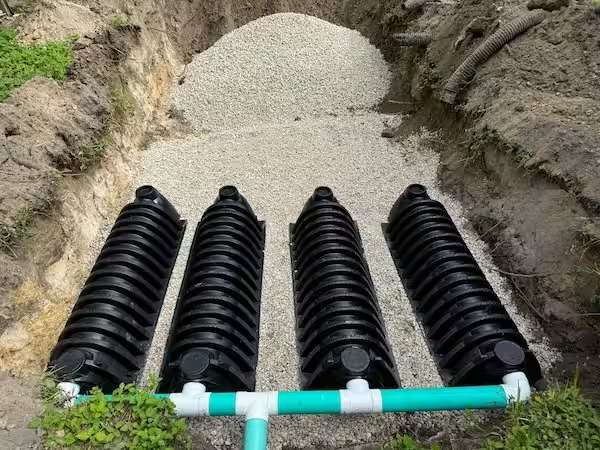
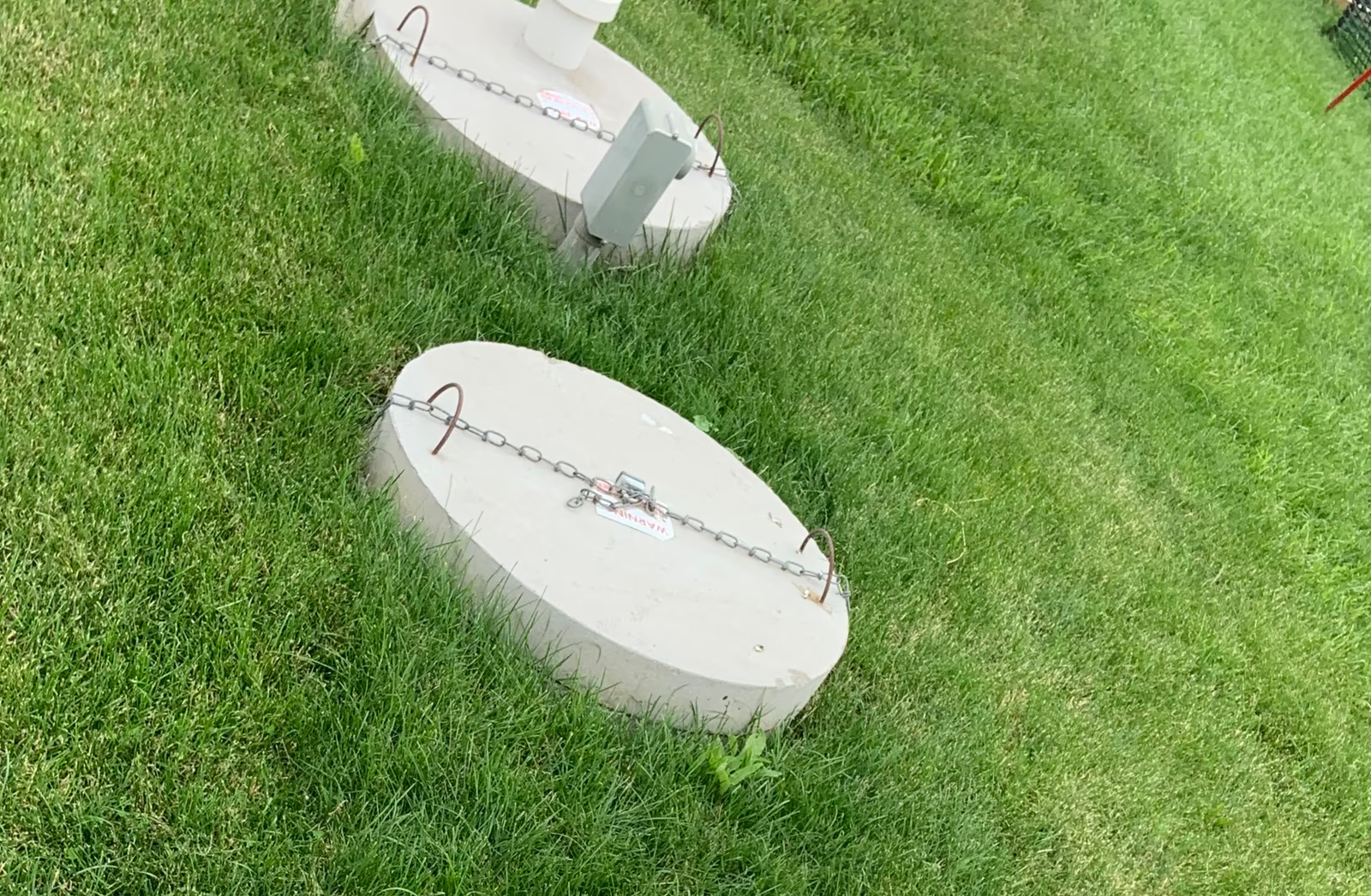
In addition to cleaning, we provide professional grease trap installation for new restaurants, commercial kitchens, and food service facilities. We handle site evaluation, proper sizing based on your flow volume and menu type, selection between concrete and plastic interceptors, plumbing connections, and code-compliant installation that passes Miami-Dade health department inspection on the first visit. Whether you're opening a new restaurant or upgrading an existing system, we ensure your grease trap meets local requirements from day one.
Why Choose Septic Tank Miami LLC for Grease Trap Cleaning
Frequently Asked Questions
Common questions about grease trap cleaning in Miami-Dade.
How often should a grease trap be cleaned?
Miami-Dade requires commercial grease traps to be cleaned when they reach 25% capacity. For most restaurants, that means every 1–3 months depending on volume. Residential grease traps typically need cleaning every 3–6 months. We can set up a recurring schedule based on your usage.
What happens if I don't clean my restaurant's grease trap?
Failing to maintain your grease trap can result in health department violations, fines from Miami-Dade WASD, sewer backups into your kitchen, foul odors, and even forced closure until the issue is resolved. Regular cleaning is far cheaper than the consequences of neglect.
Do residential homes need grease trap service?
Homes connected to septic systems benefit from grease trap maintenance, especially if you cook frequently with oils and fats. Grease entering a septic tank doesn't break down — it accumulates and eventually clogs the drain field. An under-sink grease trap with regular cleaning protects your system.
Other Services We Offer
Complete septic solutions for every need.
Ready to Get Started?
Get a free, no-obligation estimate. We respond within 1 hour.