
Skip to content
Commercial grease trap being cleaned at a Miami-Dade restaurant
Commercial 10 min read

Grease Trap Cleaning for Miami Restaurants: Compliance, Costs & Best Practices

Miami-Dade restaurants face strict grease trap regulations with fines up to $10,000 per violation. This guide covers cleaning schedules, costs, compliance requirements, and practical strategies to keep your kitchen running and your business in good standing.

Published: January 4, 2026 Septic Tank Miami LLC

Why Grease Traps Matter for Miami Restaurants

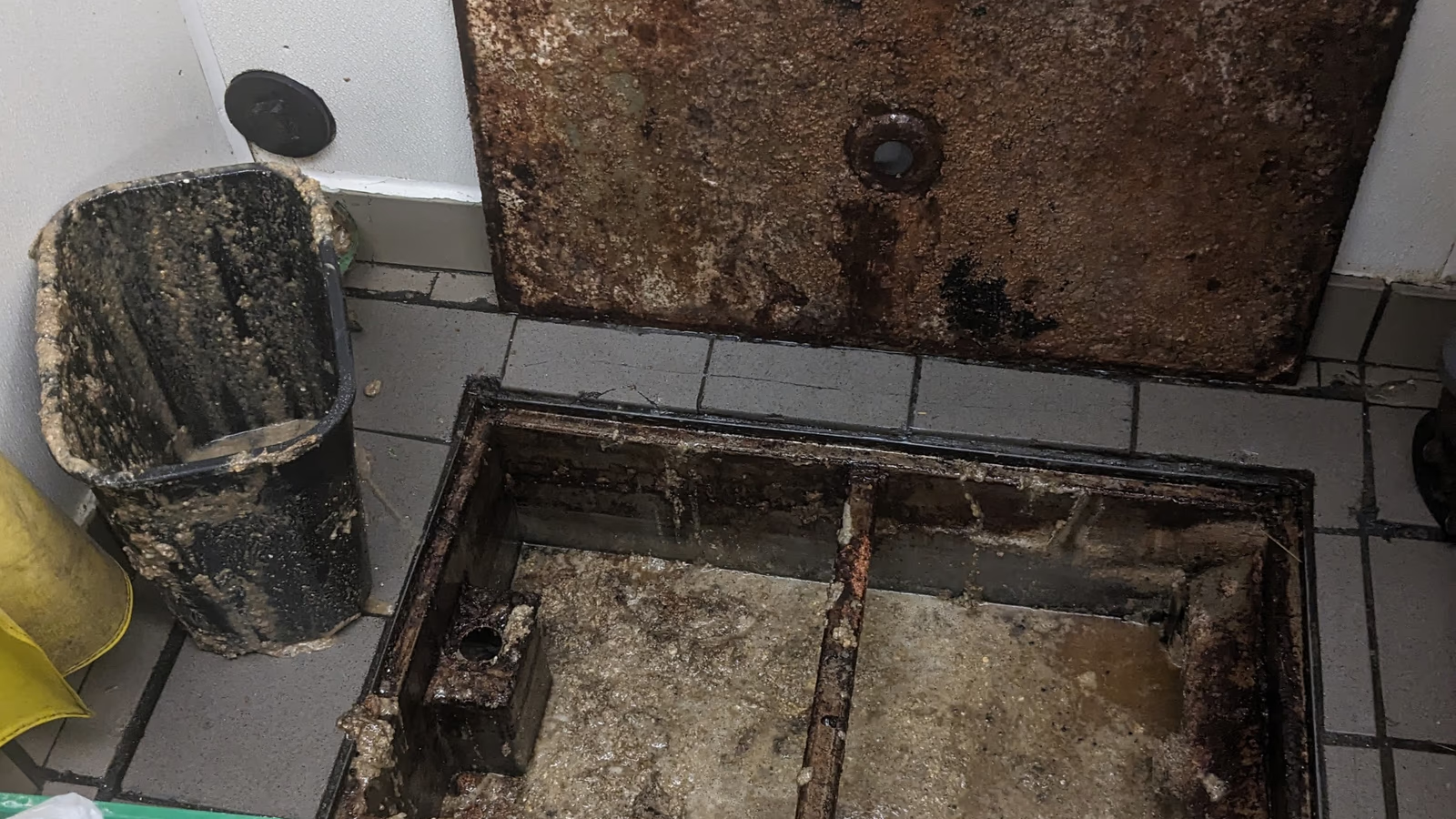
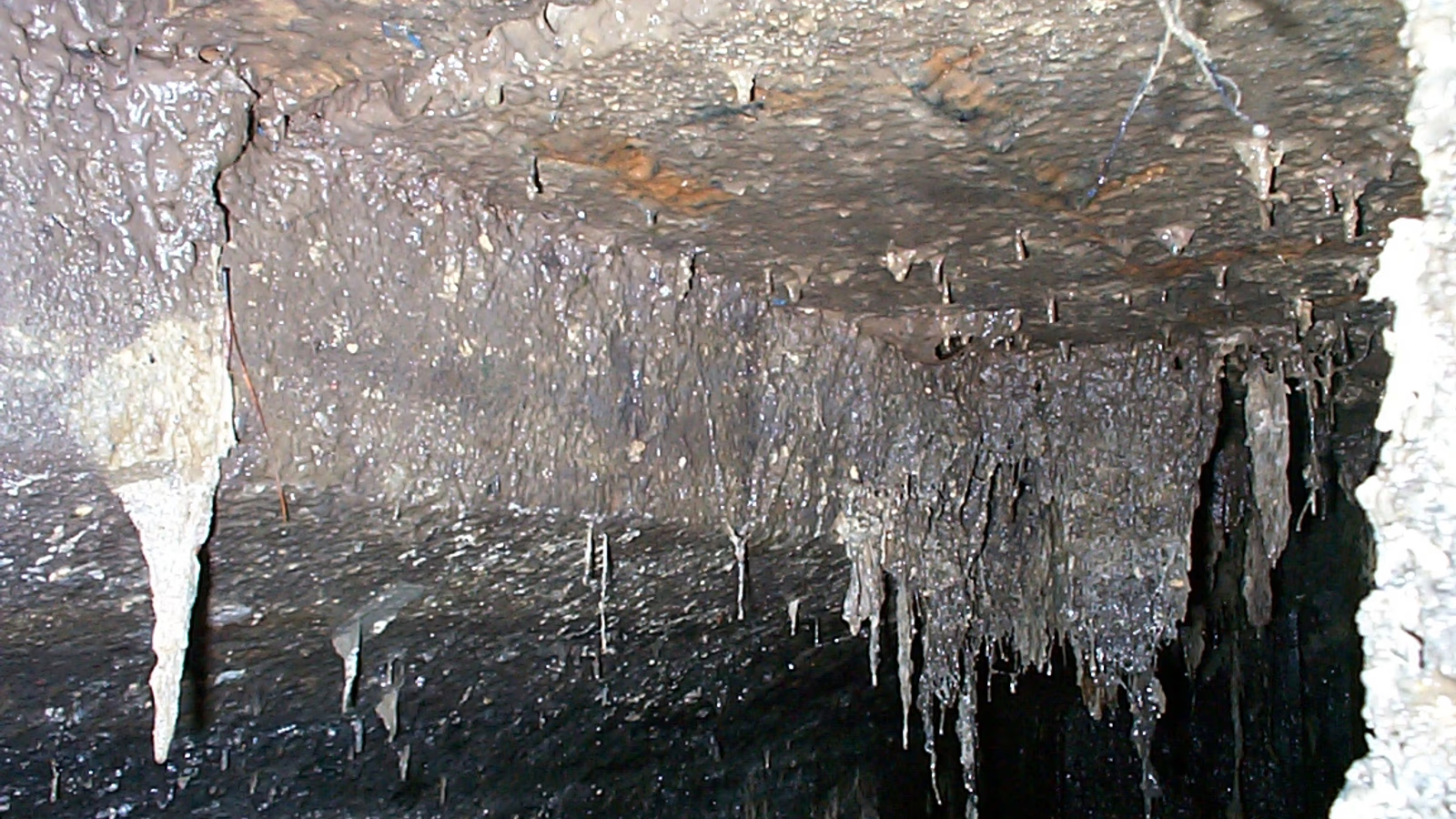
Grease traps — also known as grease interceptors — are a mandatory component of every commercial kitchen in Miami-Dade County. Their purpose is straightforward: capture fats, oils, and grease (FOG) before they enter the public sewer system or on-site septic system. When FOG enters drainage pipes, it cools, solidifies, and accumulates on pipe walls, progressively narrowing the flow path until blockages occur. Those blockages cause sewer backups, overflows, and sanitary sewer overflows (SSOs) that contaminate streets, stormwater systems, and ultimately Biscayne Bay.

For restaurant owners, a neglected grease trap is not just an environmental problem — it is a direct threat to business operations. A grease-related blockage can shut down your kitchen mid-service, flood your dining room with sewage, trigger health department violations, and generate fines from Miami-Dade Water and Sewer Department (WASD) that start at $1,000 per offense and escalate rapidly for repeat violations.

Miami-Dade County is particularly aggressive in enforcing FOG regulations because the county is under a federal consent decree to reduce sanitary sewer overflows. Restaurants are the single largest source of FOG in the collection system, and the county's FOG Control Program conducts regular inspections of food service establishments to ensure compliance. Understanding your obligations is the first step toward staying on the right side of the regulations.
Miami-Dade Grease Trap Regulations Explained

Miami-Dade County's FOG Control Program is codified in Chapter 24 of the county code and supplemented by WASD administrative orders. The regulations apply to all food service establishments connected to the public sewer system, including restaurants, bakeries, delis, cafeterias, food trucks with permanent commissary kitchens, and catering operations.

Key requirements include:

  • Grease trap installation: All FSEs must have a properly sized grease interceptor. Indoor under-sink traps (typically 20 to 50 gallons) are acceptable for small-volume operations, while most full-service restaurants require an outdoor in-ground interceptor rated at 750 to 2,000 gallons or more, depending on fixture count and flow rates.
  • Cleaning frequency: WASD requires cleaning when the combined FOG and solids layer reaches 25 percent of the trap's liquid depth. In practice, this translates to monthly cleaning for high-volume kitchens and quarterly cleaning for lighter operations. You must maintain cleaning records for a minimum of 3 years.
  • Manifesting: All grease removed during cleaning must be transported by a county-permitted hauler and disposed of at an approved facility. The hauler provides a manifest documenting the volume removed, the date, and the disposal location. You must retain copies of all manifests.
  • Best Management Practices (BMPs): FSEs must implement kitchen practices to minimize FOG discharge, including dry-wiping pots and pans before washing, using sink strainers, properly disposing of used cooking oil, and training staff on FOG prevention.

WASD inspectors visit FSEs on a rotating schedule and can also conduct unannounced inspections following complaints or SSOs in the area. During an inspection, they check the trap's condition, review cleaning records and manifests, and assess kitchen BMPs.

Violation Penalties and Enforcement Actions

Miami-Dade takes grease trap violations seriously, and the penalties are structured to escalate quickly for businesses that do not come into compliance after the first notice.

First violation: A written Notice of Violation (NOV) with a compliance deadline, typically 30 days. If you correct the issue and provide documentation within the deadline, no fine is imposed. However, the violation goes on your record.

Repeat violations: Fines ranging from $1,000 to $5,000 per violation, depending on severity. Multiple concurrent violations (e.g., no cleaning records AND an overloaded trap) are assessed separately, so a single inspection can generate multiple fines.

Chronic non-compliance: For establishments with a pattern of violations, WASD can impose fines up to $10,000 per day, require installation of a larger grease interceptor at the owner's expense, or — in extreme cases — seek a court order to suspend the sewer connection, effectively shutting down the business.

Beyond WASD penalties, a grease-related sewer backup can trigger additional enforcement from the Florida Department of Health (food safety violations), the Florida Department of Environmental Protection (environmental contamination if the overflow reaches waterways), and your local municipality's code enforcement division. The legal and reputational costs of a public SSO tied to your restaurant can far exceed the direct fines.

The simplest way to avoid all of this is to maintain a consistent grease trap cleaning schedule and keep meticulous records. The cost of compliance is a fraction of the cost of a single violation.

The Grease Trap Cleaning Process: What to Expect

Professional grease trap cleaning follows a standardized process designed to fully remove accumulated FOG and solids while minimizing disruption to your kitchen operations. Here is what happens during a typical service call.

Access and initial assessment: The technician locates and opens the grease trap, notes the FOG and solids levels, and assesses the overall condition of the trap components including baffles, inlet and outlet fittings, and the trap body itself.

Pump-out: Using a vacuum truck, the technician pumps out the entire contents of the trap — including the floating grease layer, the water column, and the settled solids at the bottom. For indoor traps, a smaller portable pump unit is used. The trap must be completely emptied, not just skimmed — skimming the grease layer without removing solids is a common shortcut that leads to rapid re-accumulation and compliance issues.

Scraping and cleaning: After pumping, the technician scrapes the trap walls, baffles, and lid to remove adhered grease deposits. The inlet and outlet pipes are visually inspected for blockages, and the trap is flushed with water to confirm proper flow.

Inspection and documentation: The technician checks for structural issues — cracked walls, corroded fittings, damaged baffles, or missing components — and documents the service with a manifest that records the date, volume of waste removed, trap condition, and any recommended repairs. You receive a copy of the manifest for your compliance records.

The entire process takes 30 to 90 minutes depending on the trap size and condition. Most services are scheduled during off-peak hours — early morning or late evening — to avoid disrupting meal service.

Grease Trap Cleaning Costs in Miami-Dade (2026)

Cleaning costs depend primarily on the size and type of your grease trap, how frequently it is serviced, and whether the hauler encounters any complications during the service visit.

  • Indoor under-sink traps (20-50 gallons): $150 to $300 per cleaning. These small traps typically need weekly to biweekly cleaning and are often handled by kitchen staff between professional services.
  • Outdoor in-ground interceptors (500-1,000 gallons): $350 to $600 per cleaning. This is the most common size for mid-range restaurants in Miami-Dade.
  • Large interceptors (1,500-2,000+ gallons): $600 to $1,200 per cleaning. High-volume operations like hotel kitchens, food courts, and large banquet facilities fall into this category.
  • Emergency cleanings (after-hours or urgent): Add 25 to 50 percent to the standard rate. If a blockage has caused a backup, additional charges for hydro-jetting the line may apply ($350 to $800).

Many service providers, including Septic Tank Miami LLC, offer monthly or quarterly service contracts that reduce the per-visit cost by 10 to 20 percent and guarantee priority scheduling. For a typical Miami restaurant with a 1,000-gallon interceptor cleaned monthly, the annual cost runs roughly $4,200 to $7,200 — a modest operational expense compared to the risk of a $5,000+ violation or a sewer backup that closes your kitchen.

How Often Should You Clean Your Grease Trap?

The optimal cleaning frequency depends on your operation's FOG output, which is determined by your menu, cooking methods, volume of meals served, and trap size. WASD's 25-percent rule is the regulatory floor, but best practice is to clean before reaching that threshold.

High-Volume Operations (Weekly to Biweekly)

Restaurants that do heavy frying — fried chicken, fish and chips, empanada shops — generate significantly more FOG than other cuisines. Cuban and Haitian restaurants in Miami, with their emphasis on fried plantains, frituras, and deep-fried proteins, typically need indoor trap cleaning weekly and outdoor interceptor cleaning every 2 to 4 weeks. Bakeries with high butter and shortening use fall into the same category.

Standard Operations (Monthly)

Most full-service restaurants, diners, and casual dining establishments in Miami-Dade operate well on a monthly cleaning schedule for outdoor interceptors. This covers the typical FOG generation from a mixed menu with sauteed, grilled, and fried items. Indoor traps should still be cleaned weekly by kitchen staff and professionally serviced at least monthly.

Low-Volume Operations (Quarterly)

Coffee shops, juice bars, sandwich shops, and small delis that do minimal cooking with oils and fats can often extend to quarterly cleaning of their outdoor interceptor. However, you should still monitor grease levels monthly to ensure you are not approaching the 25 percent threshold between cleanings.

Choosing a Licensed Grease Trap Hauler in Miami-Dade

Not all grease trap service providers are created equal, and choosing the wrong one can create compliance problems even if your trap is cleaned on schedule. Miami-Dade requires that grease haulers hold a valid county waste hauler permit and transport waste to an approved disposal or recycling facility. If your hauler illegally dumps waste — an unfortunately common problem with cut-rate operators — you can be held liable as the generator of the waste.

When evaluating haulers, verify the following:

  • County hauler permit: Request the permit number and verify it with WASD. The permit should be current, not expired.
  • Proper manifesting: Every service visit should produce a manifest documenting the date, volume removed, hauler information, and disposal facility. If a hauler does not provide manifests, that is an immediate red flag.
  • Insurance coverage: The hauler should carry general liability insurance and pollution liability coverage. Spills during transport are the hauler's responsibility, but you need assurance that they can cover damages.
  • Consistent scheduling: A reliable hauler shows up on the agreed date without requiring repeated reminders. Missed cleanings put your compliance at risk.
  • Transparent pricing: Avoid haulers who quote unusually low prices — they may be cutting corners on disposal, using improper methods, or planning to upcharge with hidden fees.

Septic Tank Miami LLC holds all required county and state permits, provides complete manifesting on every service visit, and offers scheduled service contracts that take the guesswork out of compliance.

Kitchen Best Practices to Reduce FOG Buildup

Smart kitchen practices dramatically reduce FOG accumulation in your grease trap, extending the interval between cleanings and reducing your annual service costs. These best management practices (BMPs) are also a required element of WASD's FOG compliance program.

Dry-wipe before washing: Train all kitchen staff to scrape and dry-wipe pots, pans, plates, and utensils with paper towels before placing them in the wash sink or dishwasher. This single practice can reduce FOG entering the trap by 50 percent or more.

Use sink strainers: Install and maintain basket strainers in all kitchen sinks, including the three-compartment wash sink, prep sinks, and the dishwasher drain. Strainers catch food solids that would otherwise settle in the trap and contribute to the solids layer.

Recycle cooking oil properly: Never pour used cooking oil down the drain. Collect it in designated containers and arrange for pickup by a licensed grease recycler. Many recyclers in Miami-Dade offer free pickup for restaurants generating 50 gallons or more per month, and some will even pay you for the used oil.

Train your staff: FOG prevention only works if every person in the kitchen understands and follows the protocols. Post bilingual FOG prevention signage (English and Spanish, at minimum) near sinks and dish areas. Include FOG training in new employee onboarding and conduct refresher sessions quarterly.

Monitor water temperature: Hot water dissolves grease temporarily but does not remove it — the grease re-solidifies downstream in the pipes. Use warm (not hot) water for rinsing greasy items, and never pour boiling water directly down the drain as a "cleaning" method. It pushes grease past the trap and into the sewer line where you cannot reach it.

Grease Trap Sizing and Installation Requirements

If you are opening a new restaurant in Miami-Dade or renovating an existing kitchen, proper grease trap sizing is critical. An undersized trap fills too quickly and cannot adequately separate FOG from wastewater, while an oversized trap wastes money on installation and cleaning.

Miami-Dade follows the Florida Building Code, which references the Uniform Plumbing Code (UPC) for grease interceptor sizing. The calculation considers the number and type of plumbing fixtures discharging to the trap, the flow rate of those fixtures, and a retention time that allows FOG to separate from the wastewater. Most full-service restaurants in Miami-Dade require an in-ground interceptor rated between 750 and 1,500 gallons.

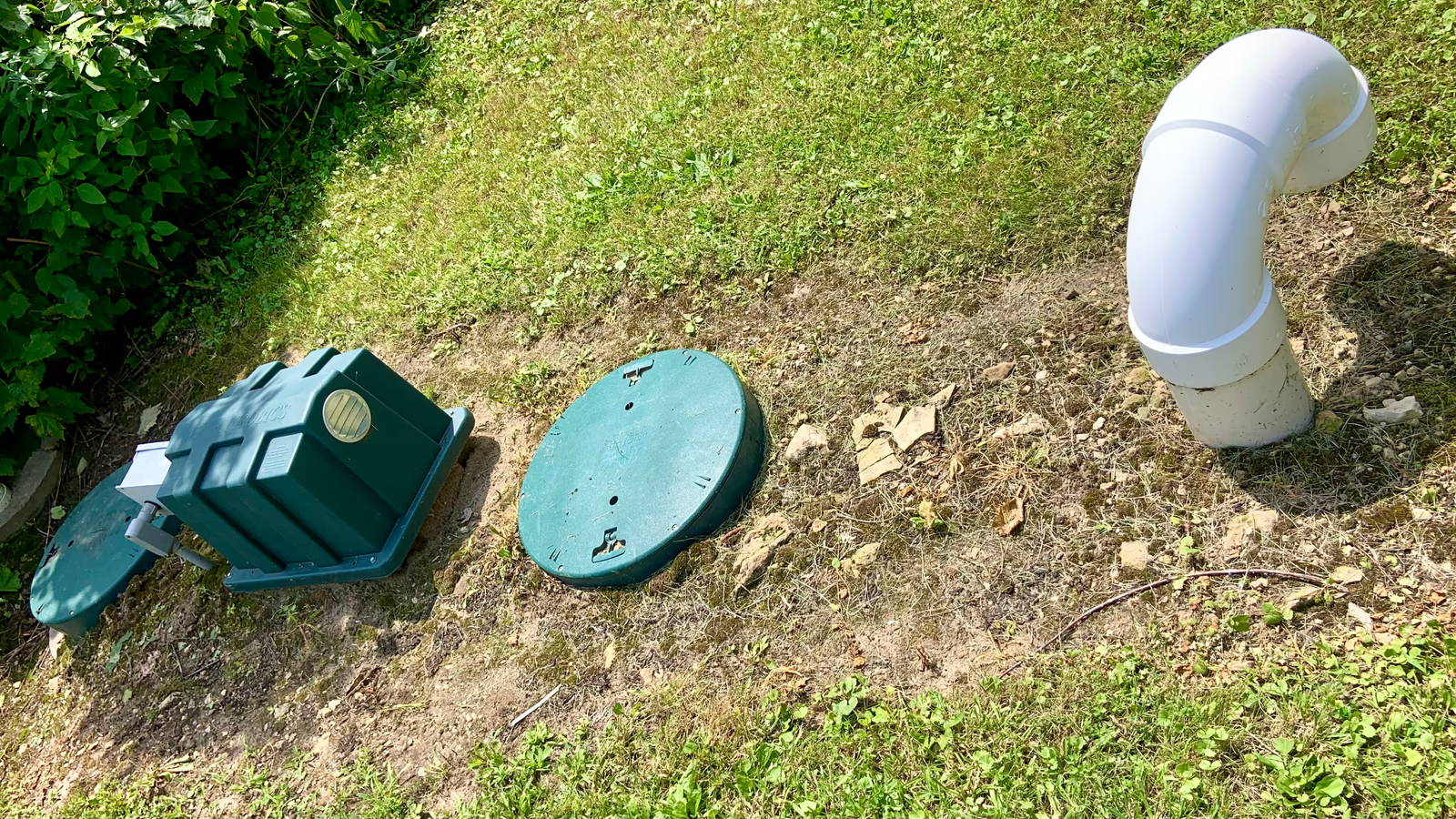
Grease trap installation must be performed by a licensed plumber and inspected by the local building department. The interceptor is typically located outside the building, buried in the ground near the kitchen's exterior wall, with accessible manhole covers for service access. Proper grading of the inlet and outlet piping is essential — if the pipes do not maintain the correct slope, grease will accumulate in the lines rather than flowing into the trap.

Installation costs for a new in-ground interceptor in Miami-Dade range from $1,500 to $8,000+ depending on the trap size, excavation conditions (Miami's limestone can increase digging costs), and whether the project involves rerouting existing plumbing. Budget an additional $500 to $1,500 for permits and inspections.

Common Compliance Mistakes Miami Restaurants Make

Even well-intentioned restaurant owners run into compliance trouble when they make one of these frequently observed mistakes.

Relying on enzyme or bacteria products instead of cleaning: Numerous products on the market claim to "digest" grease and eliminate the need for pumping. While some biological additives can modestly reduce FOG between cleanings, no additive replaces the need for physical pump-out and cleaning. WASD does not accept additive use as a substitute for scheduled cleaning, and inspectors will cite you if your trap is over the 25 percent threshold regardless of what products you have added.

Not keeping records: You can clean your trap religiously, but if you cannot produce manifests and service records during an inspection, you are in violation. Store copies of all manifests in a dedicated binder at the restaurant and keep digital backups. Records must be retained for a minimum of 3 years.

Allowing non-kitchen drains to connect to the trap: Restroom fixtures, floor drains in dining areas, and mop sinks should not discharge to the grease trap. These flows dilute the trap's capacity and introduce waste that the trap is not designed to handle. If your plumbing was incorrectly configured during build-out, have it corrected before your next inspection.

Ignoring the indoor trap: Many restaurants have both a small indoor point-of-use trap under the dish sink and a large outdoor interceptor. The indoor trap needs weekly cleaning by kitchen staff — if it is neglected, grease passes through to the outdoor trap and accelerates its fill rate. Worse, a clogged indoor trap can cause a backup directly into the kitchen.

Hiring the cheapest hauler: As noted above, cut-rate haulers who do not properly dispose of waste create liability for you. The $50 you save per cleaning is not worth the risk of a $5,000 fine if the hauler is caught dumping illegally and your manifest trail leads investigators to your business.

Building a Year-Round Maintenance Schedule

The best way to stay compliant and control costs is to build a proactive maintenance schedule that becomes routine. Here is a framework for a typical Miami restaurant.

Daily: Kitchen staff scrape and dry-wipe all dishes before washing. Empty sink strainer baskets at the end of each shift. Collect used cooking oil in designated containers.

Weekly: Clean indoor point-of-use traps. This is a kitchen staff task — remove the baffle, scoop out accumulated grease and solids, scrub the trap interior, and reassemble. Log the cleaning with date and initials.

Monthly (or per schedule): Professional pump-out and cleaning of the outdoor interceptor by a licensed hauler. Receive and file the service manifest. Visually inspect the trap components (baffles, fittings, lid gaskets) and report any damage to your service provider.

Quarterly: Conduct a kitchen BMP audit. Check that signage is posted, strainers are in place, oil recycling containers are available and not overflowing, and staff are following protocols. Review cleaning records to ensure no gaps.

Annually: Have the outdoor interceptor professionally inspected for structural integrity, baffle condition, and inlet/outlet pipe condition. Replace any worn components. Review your cleaning frequency against actual FOG accumulation rates — if the trap is consistently less than 15 percent full at cleaning time, you may be able to extend the interval and save money.

Putting this schedule on a shared calendar — or contracting with a service provider like Septic Tank Miami LLC who handles scheduling automatically — removes the burden from your day-to-day operations and ensures nothing slips through the cracks.

Environmental Impact and Biscayne Bay Protection

Miami-Dade's aggressive FOG enforcement is driven in large part by the need to protect Biscayne Bay and the county's waterways. Sanitary sewer overflows caused by grease blockages discharge raw sewage into storm drains, canals, and ultimately the bay — contributing to nutrient loading, algal blooms, seagrass die-offs, and fish kills that have made headlines in recent years.

As a restaurant owner, you play a direct role in this equation. Every pound of grease that enters the sewer system rather than being captured in your trap increases the risk of an overflow somewhere in the collection network. The connection between your kitchen drain and Biscayne Bay is shorter and more direct than most people realize — in many parts of Miami-Dade, stormwater outfalls that receive SSO discharges are within blocks of the shoreline.

Responsible grease management is not just about avoiding fines — it is about being a good steward of the community and environment that your business depends on. Miami's restaurant scene draws millions of visitors each year, and the health of Biscayne Bay is central to the city's identity and appeal. Customers increasingly notice and value businesses that demonstrate environmental responsibility.

Many Miami-Dade restaurants have also discovered that proper used cooking oil recycling generates revenue or at minimum free pickup, while reducing waste and supporting the biofuel industry. Converting waste grease into biodiesel closes the loop and turns a disposal cost into a sustainability win.

Frequently Asked Questions

How often do Miami restaurants need to clean grease traps?

Miami-Dade requires cleaning whenever FOG and solids reach 25 percent of the trap's liquid depth. For most full-service restaurants, this means monthly cleaning of outdoor interceptors. High-volume frying operations may need biweekly cleaning, while low-volume shops can often extend to quarterly.

What are the fines for grease trap violations in Miami-Dade?

First violations receive a written notice with a 30-day compliance deadline. Repeat violations incur fines of $1,000 to $5,000 per offense. Chronic non-compliance can result in fines up to $10,000 per day and potential suspension of sewer service.

How much does grease trap cleaning cost in Miami?

Indoor under-sink traps cost $150 to $300 per cleaning. Outdoor in-ground interceptors (500-1,000 gallons) cost $350 to $600. Large interceptors (1,500+ gallons) run $600 to $1,200. Monthly service contracts can reduce per-visit costs by 10 to 20 percent.

Can I clean my restaurant grease trap myself?

You can clean small indoor point-of-use traps with kitchen staff. However, outdoor in-ground interceptors must be serviced by a county-permitted hauler who provides proper manifesting and disposes of waste at an approved facility. Self-cleaning an interceptor without proper disposal creates serious compliance and environmental liability.

What size grease trap does a Miami restaurant need?

Size depends on fixture count and flow rates per the Florida Building Code. Most full-service restaurants require a 750 to 1,500 gallon in-ground interceptor. Small operations like coffee shops may only need a 20 to 50 gallon under-sink trap. A licensed plumber performs the sizing calculation during the permit process.

Need Septic Help?

Get a free estimate or schedule your service today.

Call Now Book Online WhatsApp