
Skip to content
Vacuum truck performing septic tank pumping at a Miami-Dade residential property
Guide 12 min read

How Much Does Septic Tank Pumping Cost in Miami in 2026?

Miami-Dade homeowners pay $350 to $800+ for septic tank pumping depending on tank size, accessibility, and condition. This guide breaks down every cost factor so you know exactly what to expect before you call.

Published: March 14, 2026 Septic Tank Miami LLC

Average Septic Tank Pumping Costs in Miami-Dade (2026)

In 2026, residential septic tank pumping in Miami-Dade County typically costs between $350 and $800, with the average homeowner paying around $475 for a standard 1,000-gallon tank. That price generally includes the pump-out itself, basic visual inspection of baffles and inlet/outlet tees, and responsible disposal of the septage at a licensed treatment facility.

Commercial properties, multi-family dwellings, and oversized tanks (1,500 gallons and above) push costs higher — often into the $600–$1,200 range. Emergency or same-day service adds a premium of $75–$200 depending on the provider. Weekend and after-hours calls can tack on another $100–$150.

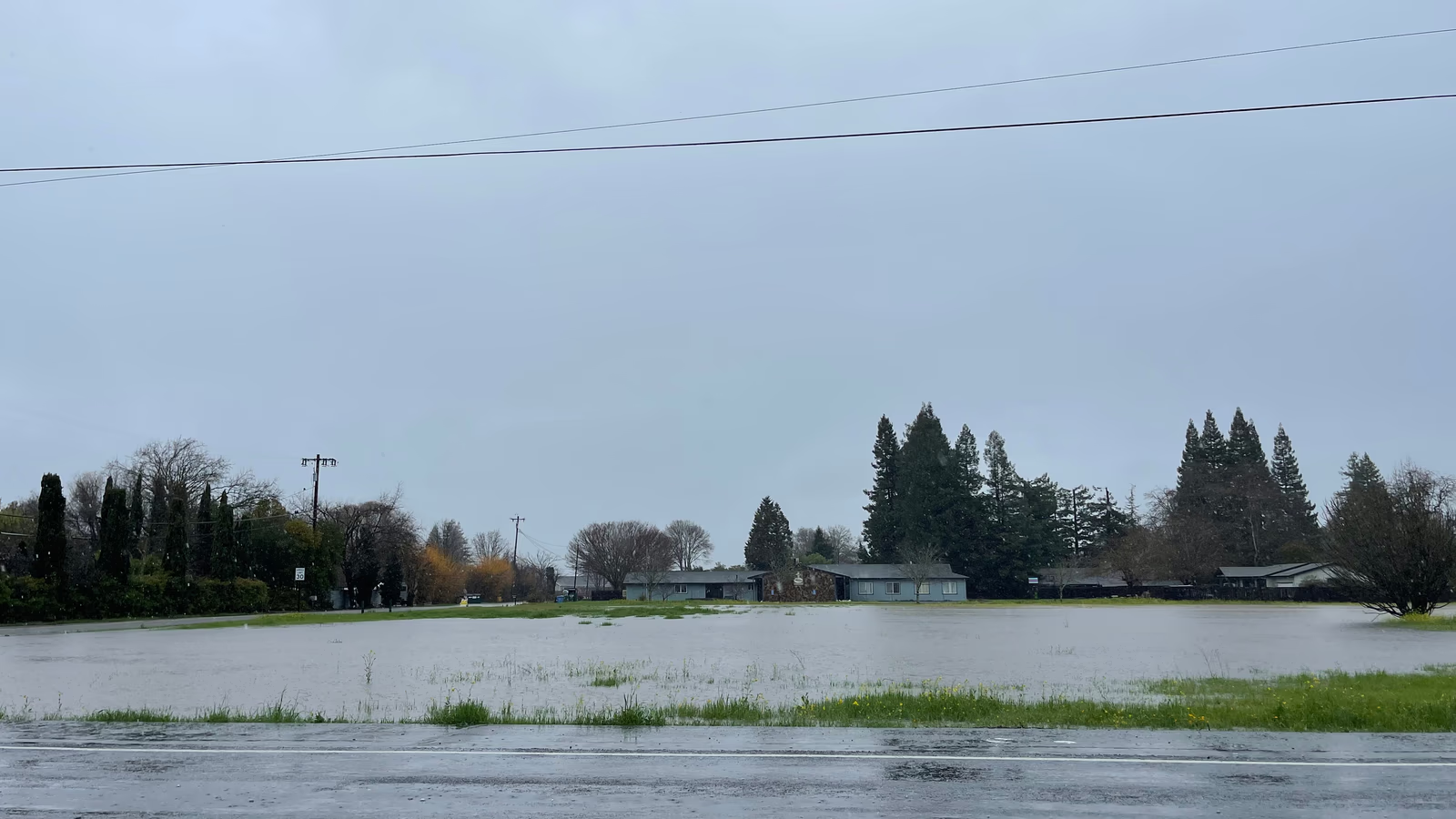
Compared to the national average of roughly $400, Miami-Dade pricing runs slightly higher due to the county's strict environmental regulations, longer hauling distances to approved disposal sites, and the operational challenges posed by South Florida's geology. The high water table, which in many neighborhoods sits only 2–6 feet below grade, means pumping crews must account for groundwater infiltration and often take extra precautions to protect the environment.

Keep in mind that the cheapest quote is not always the best value. A thorough pump-out should include a full inspection, honest assessment of sludge and scum levels, and a written report. Companies that skip these steps may save you $50 upfront but miss early signs of drain field failure that could cost you $10,000+ down the road.
Cost Breakdown by Tank Size

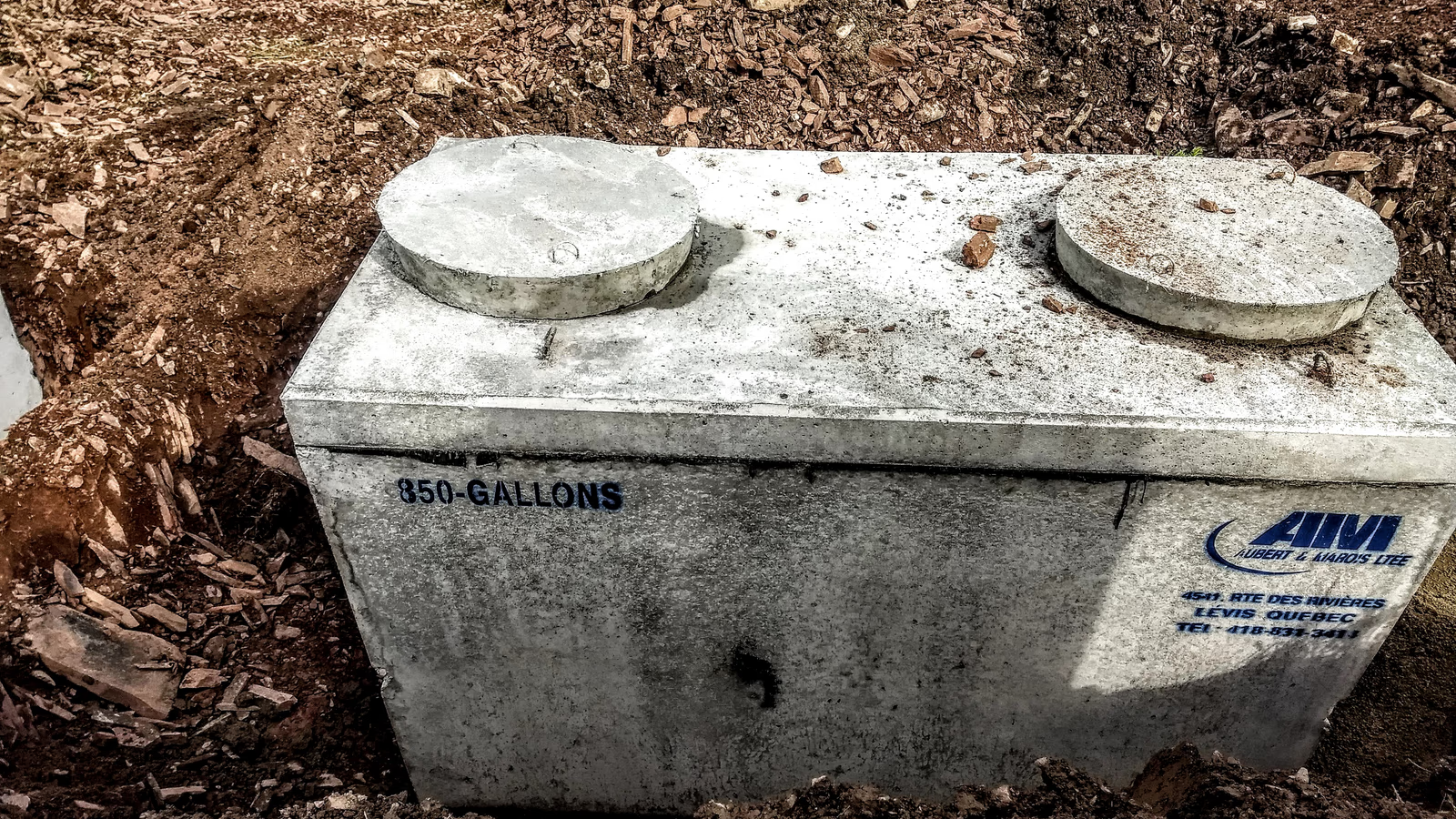
The single biggest driver of your septic cleaning price is the volume of your tank. Larger tanks hold more waste, require more truck capacity, and take longer to evacuate. Here is what Miami-Dade homeowners can expect in 2026 based on tank size:

  • 500-gallon tank: $275–$375. Common in older or smaller properties, particularly in unincorporated Miami-Dade. These tanks fill faster and need more frequent service.
  • 750-gallon tank: $325–$450. Found in many 2-bedroom homes and older construction throughout Homestead and Florida City.
  • 1,000-gallon tank: $350–$550. The most common residential size in Miami-Dade. A 3- to 4-bedroom home typically has this size.
  • 1,250-gallon tank: $425–$650. Common in 4-bedroom homes and properties with additional bathrooms or guest quarters.
  • 1,500-gallon tank: $500–$800. Found in larger residences and some light commercial properties.
  • 2,000+ gallon tank: $700–$1,200+. Multi-family, commercial, and large estate properties. May require multiple trips or specialized equipment.

If you are not sure what size tank you have, your septic contractor can estimate it from the property records at Miami-Dade DERM or from the as-built drawings that should have been filed when the system was installed.

Properties built before the mid-1980s sometimes have undersized tanks relative to their current bedroom count or occupancy. If your tank is too small for your household, you will need more frequent pumping — typically every 1–2 years instead of the standard 3–5 year cycle.

Key Factors That Affect Your Septic Pumping Price

Beyond tank size, several variables influence the final cost of your pump-out. Understanding these factors helps you anticipate pricing and avoid surprise charges on your invoice.

Tank Accessibility & Lid Location

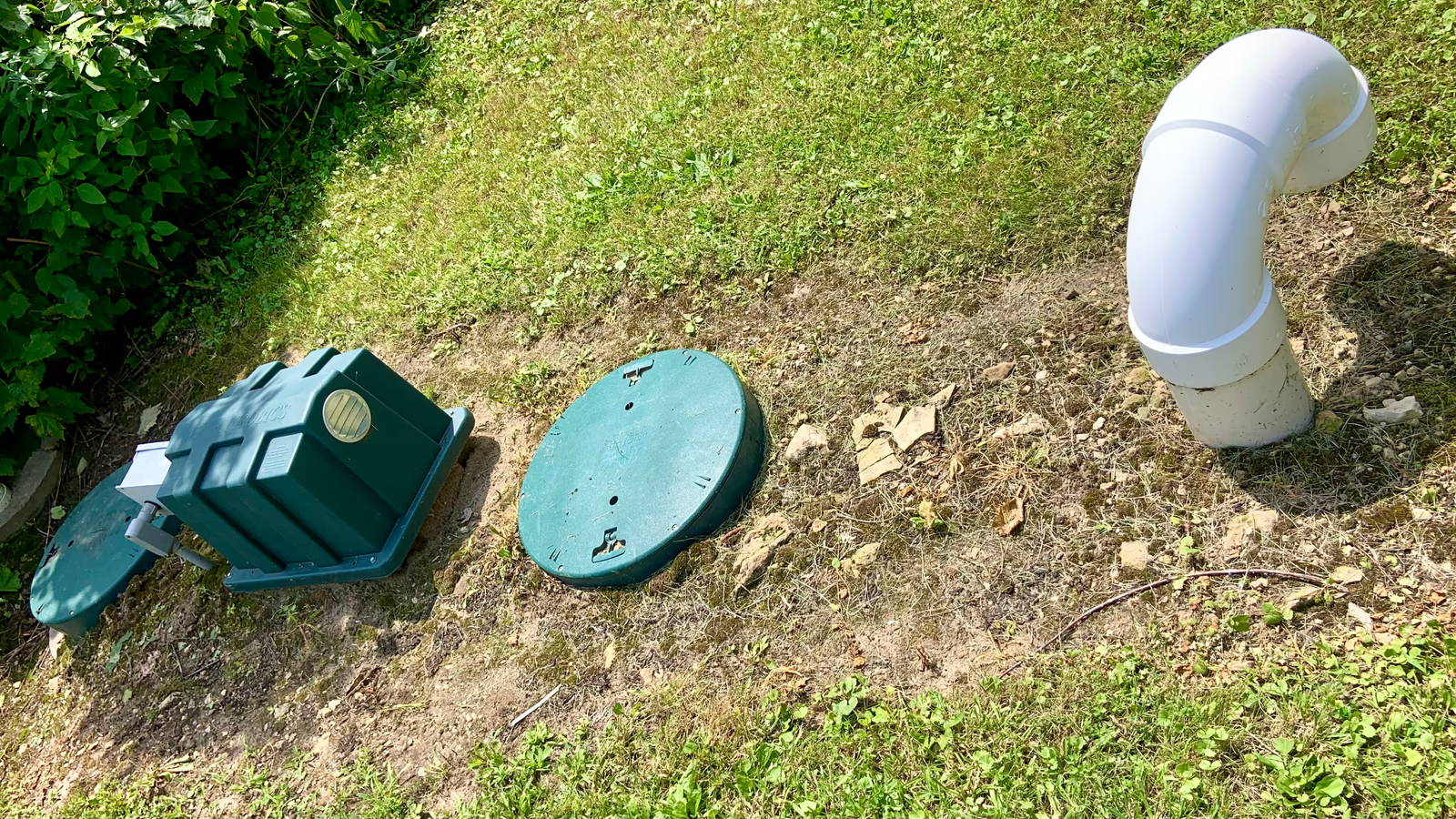
If your tank lids are buried under soil, landscaping, concrete, or a deck, the crew must spend extra time locating and excavating them. Locating a buried tank adds $50–$150 to the bill, and digging out lids can add another $50–$100. Installing risers to bring the lids to grade level is a one-time investment of $150–$300 per riser that eliminates this surcharge on every future pump-out.

Properties with difficult truck access — narrow driveways, gated entries, or tanks located far from the nearest road — may require additional hose length or smaller equipment, both of which add cost.

Sludge & Scum Accumulation

A tank that has been neglected for 7–10+ years may have hardened sludge layers that resist standard vacuum extraction. Breaking up compacted sludge with hydro-jetting or mechanical agitation adds $100–$250. In extreme cases, the tank may need to be pumped in multiple passes over two visits.

Excessive grease and scum buildup — common in households that pour cooking oil or use garbage disposals heavily — also increases extraction time and disposal costs because the waste is classified as higher-strength septage.

Travel Distance & Disposal Fees

Miami-Dade County has a limited number of approved septage receiving facilities. Companies located far from these sites or from your property may factor in fuel surcharges, particularly given current diesel prices. Disposal (tipping) fees at treatment plants vary by volume and strength, and these costs are embedded in your quoted price.

Choosing a local, Miami-Dade-based pumper rather than a company traveling from Broward or Palm Beach typically saves you money and ensures faster response times for scheduled and emergency calls.

Hidden Fees & How to Avoid Them

Not all septic pumping quotes are created equal. Some companies advertise rock-bottom prices and then pile on surcharges once they arrive. Here are the most common hidden fees Miami-Dade homeowners encounter:

  • Lid excavation fee: $50–$150. Avoid this by installing risers or knowing where your lids are before the appointment.
  • Second compartment fee: $75–$150. Many tanks in Miami-Dade are two-compartment designs. Some companies quote only the first compartment and charge extra for the second. Always confirm the quote covers the entire tank.
  • Weekend/holiday surcharge: $100–$200. If you can schedule your pump-out during weekday business hours, you will avoid this markup.
  • Hazardous waste upcharge: $100–$300. If non-septic waste (chemicals, paint, excessive grease) is found in the tank, disposal costs increase.
  • Cancellation or no-access fee: $50–$100. If the truck arrives and cannot access the tank due to locked gates, blocked driveways, or other obstructions.

The best defense is to get a written, all-inclusive quote before scheduling. At Septic Tank Miami LLC, our quoted price covers the full pump-out of all compartments, visual inspection, and disposal — no surprise fees.

When Should You Schedule Pumping in Miami-Dade?

The Florida Department of Health and Miami-Dade DERM recommend pumping residential septic tanks every 3 to 5 years, but that interval is a guideline, not a universal rule. Several factors specific to your household and our local conditions influence the ideal schedule.

Homes with garbage disposals should pump every 2–3 years because disposals send ground food waste directly into the tank, accelerating sludge accumulation by 30–50%. Households with water softeners also need more frequent pumping — the brine backwash disrupts bacterial activity in the tank and increases the volume of solids. Large families (5+ people) naturally generate more wastewater and should lean toward the 2–3 year end of the spectrum.

Timing matters in Miami-Dade. The ideal window for pumping is during the dry season (November through April) when the water table is at its lowest. Pumping during the wet season is still safe, but a lower water table means less groundwater infiltration during the process and gives your drain field the best conditions to recover after service.

If you notice any warning signs — slow drains, sewage odors near the tank, soggy patches in the yard, or gurgling pipes — do not wait for your scheduled appointment. These symptoms indicate the tank is overdue and continued use could damage the drain field.

Basic Pump-Out vs. Full-Service Maintenance

When you call for septic service, you generally have two tiers of offering: a basic pump-out and a comprehensive maintenance visit. The price difference is typically $100–$200, and understanding what each includes helps you make the right choice.

A basic pump-out ($350–$550) involves evacuating the contents of the tank, a quick visual check of the baffles and tees, and disposal. This is appropriate for tanks on a regular maintenance cycle with no symptoms or concerns.

A full-service maintenance visit ($475–$750) adds a thorough inspection of all tank components, measurement of sludge and scum layers before pumping (to calibrate your future schedule), effluent filter cleaning or replacement, and a written condition report. Some providers include a basic camera inspection of the outlet pipe leading to the drain field.

For properties approaching the 15–20 year mark, or if you have never had a full inspection, the comprehensive option is worth the added cost. Catching a cracked baffle, deteriorating tank wall, or partially clogged outlet pipe during a routine visit prevents far more expensive emergency repairs later.

Can You Pump a Septic Tank Yourself?

In short: no, and it is illegal in Florida. Septic tank pumping requires a licensed septage hauler (registered with both the Florida Department of Health and Miami-Dade DERM) and a permitted vacuum truck. The septage must be transported to an approved treatment or disposal facility — dumping it on your property, in storm drains, or anywhere else is a serious environmental violation that carries fines up to $10,000 per day under Florida Statute 381.0065.

Beyond the legal requirements, working around a septic tank exposes you to hazardous gases including hydrogen sulfide and methane. Professional crews carry gas monitors, wear appropriate PPE, and are trained in confined-space safety protocols. Every year, people die nationally from septic gas exposure during amateur repair attempts.

What you can do yourself is reduce costs by preparing for the appointment: know where your tank and lids are located, clear any obstructions from the access path, and ensure the truck can get within 100 feet of the tank. These simple steps can save you $50–$150 in access-related surcharges.

How to Save Money on Septic Pumping in Miami

Septic pumping is not an optional expense — it is a core part of owning a home with a private waste system. But there are legitimate ways to reduce your per-visit cost without compromising service quality.

  • Install risers: A one-time investment of $150–$300 per riser eliminates the $50–$150 excavation fee every time you pump. Risers pay for themselves in 1–2 pump cycles.
  • Schedule during the dry season: Many companies offer lower rates from November through April when demand is lighter and working conditions are easier.
  • Bundle with neighbors: If your neighbors also need pumping, scheduling back-to-back on the same day reduces the company's travel costs, and many providers pass that savings on as a multi-house discount of 10–15%.
  • Stick to a maintenance schedule: Tanks that are pumped on time are faster and easier to service. Neglected tanks with compacted sludge cost more to pump.
  • Reduce water usage: High-efficiency fixtures, fixing leaks, and spreading laundry loads throughout the week all reduce the volume entering your tank and extend the interval between pump-outs.

Avoid companies offering unusually low prices ($150–$200 for a full pump-out). At those prices, they are either not pumping the entire tank, skipping the inspection, or cutting corners on disposal. A half-pumped tank provides almost no benefit and can give you a false sense of security.

The Real Cost of Skipping Septic Pumping

The $350–$800 you spend on regular pumping is an insurance policy against far more devastating expenses. When a septic system fails because the tank was not pumped, the financial consequences escalate quickly:

  • Drain field replacement: $8,000–$25,000+. When solids overflow into the drain field and clog the soil, the entire field often needs to be excavated and rebuilt. In Miami-Dade, high water table conditions make this work even more expensive.
  • Environmental fines: Miami-Dade DERM actively enforces septic system regulations, especially in areas near Biscayne Bay and the Everglades. Fines for a failing system contaminating groundwater can reach thousands of dollars.
  • Property damage: Sewage backups into the home cause flooring, drywall, and personal property damage that homeowner's insurance may not fully cover, especially if the backup resulted from neglected maintenance.
  • Health hazards: Raw sewage surfacing in the yard or backing into the home exposes your family to pathogens including E. coli, hepatitis, and parasites.
  • Reduced property value: A failed or non-compliant septic system is a deal-killer in real estate transactions and can reduce your property's appraised value by 10–20%.

Regular pumping is the cheapest form of septic maintenance. Spending $475 every 3–5 years to pump your tank is dramatically less expensive than any of the consequences above. It is the single best investment you can make in your septic system's longevity.

How to Choose a Septic Pumping Company in Miami-Dade

Miami-Dade has dozens of septic service providers, but quality varies enormously. Here is what to look for when selecting a company for your pump-out:

  • Licensing: Verify the company holds a valid Florida plumbing or septic contractor license and is registered with Miami-Dade DERM as an approved septage hauler. Ask for license numbers before scheduling.
  • Insurance: Confirm they carry general liability and workers' compensation insurance. Septic work involves heavy equipment on your property — if an uninsured worker is injured or their truck damages your driveway, you could be liable.
  • Transparent pricing: Get a written quote that specifies what is included: number of compartments, inspection, disposal, and any potential surcharges. Avoid verbal-only estimates.
  • Local presence: A company based in Miami-Dade knows the local soil conditions, water table fluctuations, DERM regulations, and approved disposal facilities. This local expertise matters.
  • Reviews and references: Check Google Reviews, BBB ratings, and ask for references from recent jobs in your neighborhood. Consistent 4.5+ star reviews across 50+ ratings is a strong signal.

At Septic Tank Miami LLC, we have served Miami-Dade homeowners for over 15 years with transparent, all-inclusive pricing and thorough service on every job. Our technicians are licensed, insured, and trained to handle the unique conditions of South Florida septic systems.

Miami-Dade Septic Pumping Regulations You Should Know

Miami-Dade County has some of the most rigorous septic system regulations in Florida, driven by the county's proximity to sensitive ecosystems like Biscayne Bay, the Everglades, and the Biscayne Aquifer — the primary drinking water source for 2.8 million residents.

Key regulations that affect pumping and maintenance include:

  • DERM operating permits: All septic systems in Miami-Dade require an operating permit from the Department of Environmental Resources Management. Permit renewal may require proof of recent pumping or inspection.
  • Sewer connection mandates: In areas where municipal sewer lines are extended, property owners may be required to connect within a specified timeframe and abandon their septic system. Check with DERM or your municipality for pending sewer extension projects in your area before investing in major septic repairs.
  • Setback requirements: Septic system components must maintain minimum distances from wells, water bodies, property lines, and structures. These setbacks can affect repair options and costs.
  • Advanced treatment requirements: Properties in certain sensitive areas (near Biscayne Bay, canals, or wellfields) may be required to upgrade to nitrogen-reducing advanced treatment systems when the existing system fails or needs major repair.

Understanding these regulations helps you plan ahead and budget appropriately. Your septic service provider should be familiar with all applicable DERM requirements and can advise you on compliance during routine maintenance visits.

Get an Honest Pumping Quote Today

If your septic tank is due for pumping — or if you are experiencing any symptoms of a full tank — do not wait until the problem worsens. Septic tank pumping is the most cost-effective maintenance you can perform, and delaying it only increases the risk of expensive damage to your drain field and property.

Septic Tank Miami LLC provides upfront, all-inclusive pricing with no hidden fees. Every pump-out includes a comprehensive visual inspection and written condition report. We serve all of Miami-Dade County with same-day and next-day availability.

Call us at (786) 582-1672 or request a free estimate online. We will give you an honest price and an honest assessment — because that is the only way to build the kind of trust that has kept our customers coming back for over 15 years.

Frequently Asked Questions

How much does septic tank pumping cost in Miami in 2026?

Most Miami-Dade homeowners pay between $350 and $800 for septic tank pumping in 2026, with the average cost around $475 for a standard 1,000-gallon residential tank. Price varies based on tank size, accessibility, condition, and whether you need same-day service.

How often should I pump my septic tank in Miami-Dade?

The recommended pumping interval is every 3 to 5 years for most residential systems. Homes with garbage disposals, water softeners, or 5+ occupants should pump every 2 to 3 years. Your technician can measure sludge levels to determine the ideal schedule for your household.

Does septic pumping cost more during hurricane season?

Standard scheduled pumping rates remain consistent year-round. However, emergency service during or immediately after a storm typically carries a premium of $75 to $200 due to demand, road conditions, and safety considerations. Scheduling your regular pump-out during the dry season (November through April) can help you secure better availability.

What is included in a septic tank pumping service?

A professional pump-out should include complete evacuation of all tank compartments, visual inspection of baffles, inlet and outlet tees, and tank structure, plus responsible disposal at a licensed facility. Full-service visits also include sludge level measurement, effluent filter cleaning, and a written condition report.

Why is septic pumping more expensive in Miami than other areas?

Miami-Dade pricing is slightly above the national average due to stricter environmental regulations from DERM, longer hauling distances to approved disposal facilities, higher operating costs in South Florida, and the additional precautions required when working around the county's high water table and sensitive aquifer system.

Need Septic Help?

Get a free estimate or schedule your service today.

Call Now Book Online WhatsApp