
Skip to content
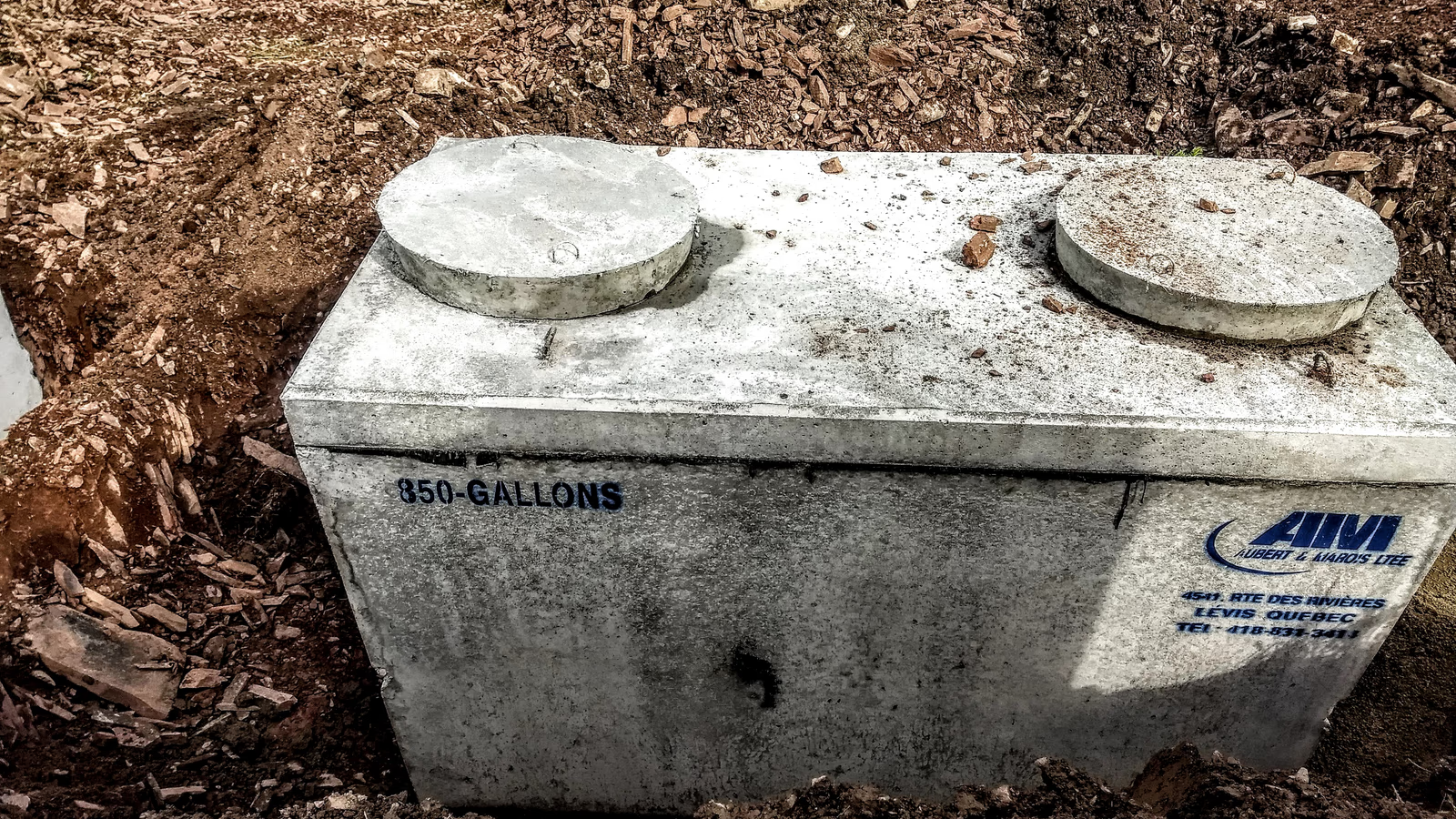
Septic tank maintenance service in a Miami-Dade residential property
Maintenance 10 min read

Septic Tank Maintenance Schedule for Miami Homes (Annual Checklist)

A proactive maintenance schedule is the single most effective way to extend your septic system's life and avoid costly emergencies. This Miami-specific annual checklist covers pumping intervals, seasonal inspections, and everyday habits that protect your system and South Florida's waterways.

Published: November 30, 2025 Septic Tank Miami LLC

Why Septic Maintenance Matters More in Miami

Every septic system benefits from regular maintenance, but Miami-Dade's unique environmental conditions make it non-negotiable. The combination of a high water table, porous limestone bedrock, intense seasonal rainfall, and warm year-round temperatures creates an operating environment that accelerates wear and amplifies the consequences of neglect.

In cooler climates, a slightly overdue pumping or a minor drain field issue may go unnoticed for years. In Miami, the same lapse can produce visible symptoms within months. Warm groundwater accelerates bacterial activity in the tank, which increases sludge production and the rate at which solids can escape into the drain field. The high water table leaves almost no margin for error in drain field performance; even a modest reduction in soil absorption capacity can cause surfacing effluent.

The financial case for maintenance is equally compelling. A routine septic tank pumping costs $350 to $600. A drain field replacement in Miami-Dade costs $8,000 to $20,000 or more. The maintenance schedule outlined in this guide is designed to keep your system operating within safe parameters and catch developing problems before they become emergencies.
The Complete Annual Maintenance Checklist

This checklist organizes maintenance tasks by frequency. Print it, save it, or photograph it and keep it with your home maintenance records. Consistent execution of these tasks will maximize your system's lifespan and minimize your exposure to unexpected repair costs.

Monthly Tasks

These quick checks take less than five minutes and help you catch problems at the earliest possible stage.

  • Walk the drain field area: Look for wet spots, standing water, unusually green patches, or sewage odors. After heavy rain, note how quickly the area drains compared to surrounding yard.
  • Check fixtures for slow draining: Run water in every sink, tub, and shower. Slow drains throughout the house (not just one fixture) may indicate a full tank or drain field saturation.
  • Listen for gurgling: Run the washing machine or flush multiple toilets in sequence and listen for gurgling sounds from drains or toilets. This indicates the system is struggling to accept flow.
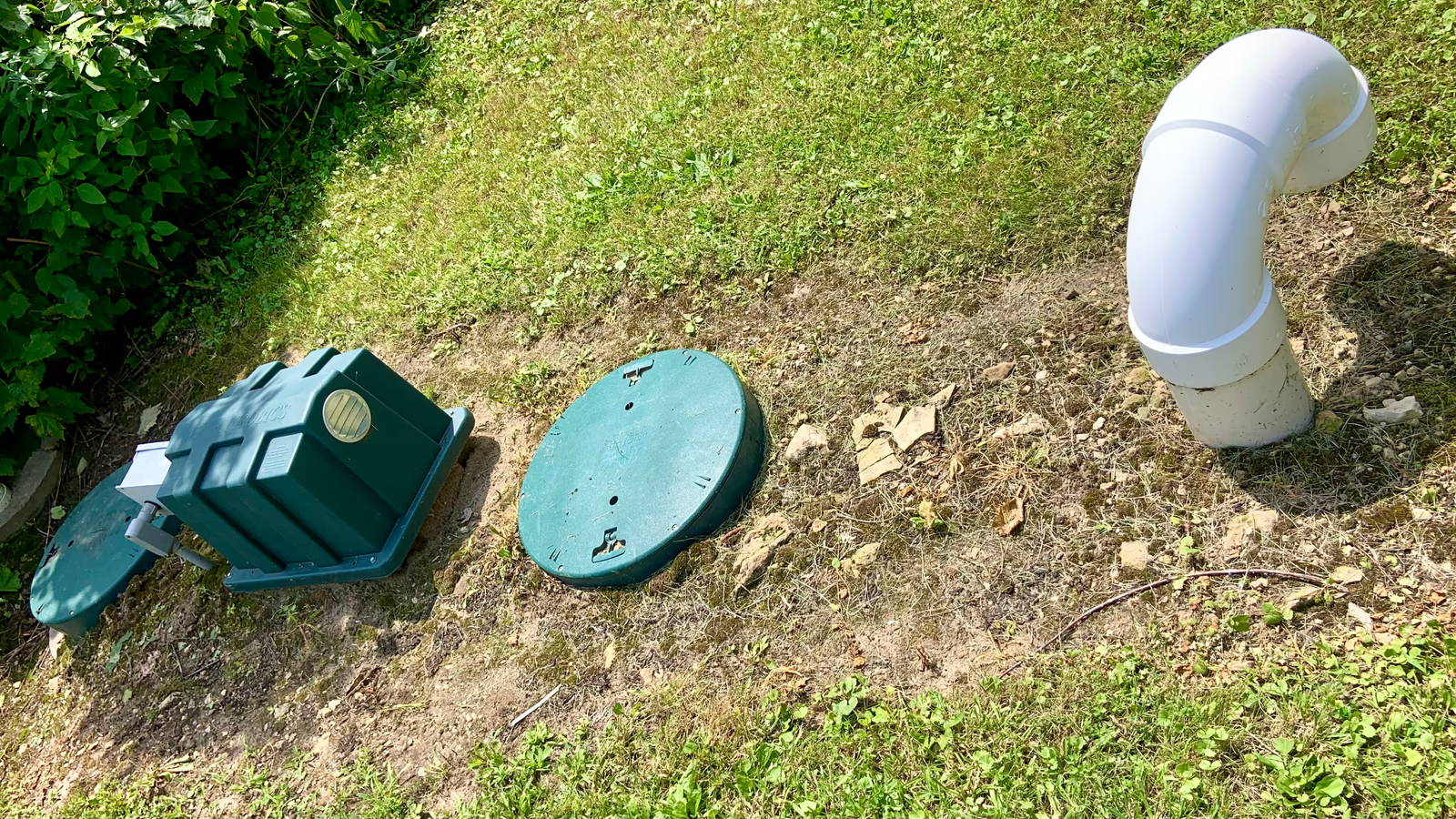
  • Inspect the tank access covers: Ensure lids are secure and not cracked. A damaged lid is a safety hazard and allows rainwater infiltration that overloads the system.

Quarterly Tasks

These tasks require a bit more attention and should be logged with dates for your records.

  • Verify pump and alarm function (if applicable): If your system has a dosing pump or ATU, test the alarm by pressing the test button. Verify the pump activates during normal operation.
  • Inspect the effluent filter: Many modern tanks include an effluent filter at the outlet tee. Check for heavy buildup and rinse if manufacturer instructions permit. A clogged filter can cause backups into the house.
  • Monitor water usage patterns: Review your water bill for unexpected increases that could indicate a leak adding volume to the septic system. A running toilet can add 200 gallons per day.

Annual Tasks

These items should be scheduled once per year, ideally in the late dry season (March through May) when the water table is at its lowest and access is easiest.

  • Professional inspection: A licensed technician should measure sludge and scum levels, check baffles and tees for damage, evaluate the drain field condition, and assess the structural integrity of the tank. Schedule a professional septic inspection to cover these items.
  • Document system condition: Keep a written or digital log of inspection findings, pumping dates, repairs, and any symptoms observed throughout the year. This history is invaluable for diagnosing emerging problems and is required for property sales in many transactions.
  • Review landscaping: Ensure no trees or large shrubs have been planted within 10 feet of the drain field. Root intrusion is a leading cause of drain field failure in Miami-Dade, particularly from ficus and invasive species common in South Florida. landscapes.

Pumping Schedule: How Often in Miami's Climate

The pumping interval for your septic tank depends on four primary factors: tank size, household size, water usage, and whether you use a garbage disposal. Miami's warm climate adds a fifth factor: accelerated biological activity that produces sludge faster than in cooler regions.

General pumping guidelines for Miami-Dade homes:

  • 1-2 person household, 1,000-gallon tank: Every 4 to 5 years
  • 3-4 person household, 1,000-gallon tank: Every 2 to 3 years
  • 5+ person household, 1,000-gallon tank: Every 1 to 2 years
  • Any household with a garbage disposal: Reduce the interval by one year — disposals increase sludge production by 40 to 50 percent

These intervals assume typical water usage of 60 to 70 gallons per person per day. Households with high water usage (pool backwash, frequent entertaining, hot tubs) should pump more frequently. Conversely, snowbird properties with seasonal occupancy may extend intervals, but should never exceed five years between pumpings regardless of use.

The most reliable way to determine your specific pumping interval is to have a technician measure the sludge layer during an annual inspection. When the sludge level reaches one-third of the tank's liquid depth, it is time to pump. Waiting until the tank is completely full risks pushing solids into the drain field, where they cause irreversible clogging.

Wet Season Preparation (May through October)

Miami's wet season delivers 70 percent of the region's annual rainfall in a six-month window, dramatically raising the water table and increasing the stress on septic systems. Preparing your system before the wet season arrives is one of the most impactful maintenance steps you can take.

Schedule pumping before June: Enter the wet season with a recently pumped tank to maximize capacity for handling increased groundwater infiltration and reduced drain field performance. A full tank during the wet season is a recipe for backups and surfacing effluent.

Clear drainage around the drain field: Ensure that swales, French drains, and gutters are functioning properly and directing surface water away from the drain field. Even an inch of standing water over the drain field during a heavy rain event can temporarily saturate the soil and halt treatment.

Inspect the tank for infiltration: During pumping, ask your technician to check for cracks or gaps in the tank lid, risers, and inlet/outlet connections where groundwater can enter. Infiltration adds volume to the system that the drain field must process, and during the wet season, this additional load can tip a marginal system into failure.

Test the high-water alarm: If your system has a high-water alarm, verify it is functioning before the wet season. This alarm provides the earliest warning that your system is struggling to keep up with incoming volume.

Dry Season Maintenance (November through April)

The dry season in Miami offers the best conditions for maintenance and repair work. Lower water tables make excavation easier, inspections more accurate, and drain field assessments more meaningful. Use this window to address any issues identified during the wet season.

Schedule the annual inspection: March and April are ideal months for a comprehensive inspection. The water table is at its seasonal low, so your technician can see the drain field functioning under the most favorable conditions. If there are problems visible even during the dry season, they will be significantly worse during the wet season.

Perform any needed repairs: Drain field repairs, tank repairs, and system upgrades are all easier and less expensive during the dry season. Excavation contractors may not need dewatering equipment, reducing both cost and environmental disruption. If a camera inspection reveals pipe damage or root intrusion, the dry season is the time to fix it.

Evaluate landscaping: The dry season is a good time to assess whether trees or shrubs have grown into the drain field setback zone. Root barriers can be installed during this period with less disruption to the yard.

Hurricane Season Septic Care

Miami's hurricane season (June through November) overlaps with the wet season and adds the additional risks of flooding, power outages, and physical damage to septic components. A few preparatory steps can significantly reduce your vulnerability.

Before a storm: If a hurricane is forecast, pump the tank if it is due or overdue. A lighter tank is less susceptible to flotation in saturated soil. Secure tank lids and access covers. Turn off the power to pumps and blowers to prevent electrical damage from surge. Note the location of your tank and drain field on a property sketch in case access covers are buried by debris.

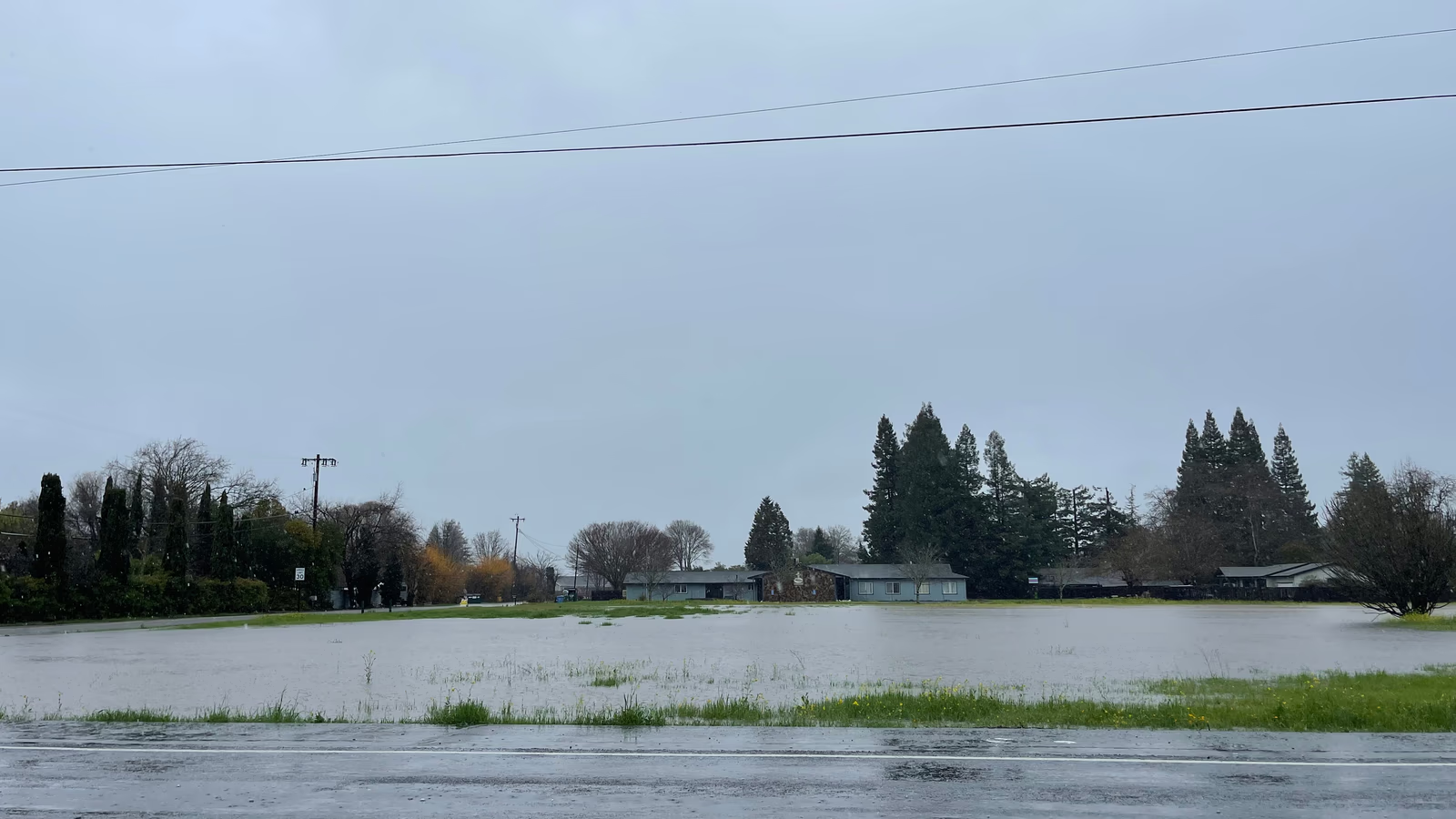
During the storm: Minimize water usage. If flooding is imminent, avoid flushing toilets or running water that will add volume to an already stressed system. If the drain field is submerged, any wastewater sent to the tank has nowhere to go and will either back up into the house or overflow from the tank.

After the storm: Do not use the system normally until floodwaters have receded and the drain field has had at least 24 hours to drain. Have the system inspected for damage, especially if the property experienced flooding above grade. Check for shifted tanks, damaged pipes, and debris over the drain field. If you suspect damage, call for a professional assessment before resuming normal use.

Daily Habits That Protect Your Septic System

The most expensive component of your septic system — the drain field — is also the most sensitive to what goes down your drains. Daily habits have a cumulative effect that either extends or shortens the drain field's useful life. Adopting these practices costs nothing and delivers measurable results.

What should never enter your septic system:

  • Cooking grease and oils: They solidify in the tank and form a thick scum layer that can block the outlet tee and enter the drain field
  • Wipes (even "flushable" ones): They do not break down in the tank and can clog inlet baffles, outlet filters, and distribution pipes
  • Household chemicals in quantity: Bleach, antibacterial cleaners, paint, and solvents kill the bacteria that treat wastewater in the tank
  • Medications: Antibiotics and anti-fungal medications are toxic to septic bacteria and should be disposed of through pharmacy take-back programs
  • Coffee grounds and food scraps: Use the trash, not the garbage disposal — every ounce of solid waste that enters the tank accelerates sludge accumulation

Water conservation matters: Spread laundry loads across the week rather than doing multiple loads in one day. Fix running toilets and dripping faucets immediately. A running toilet can add 200 gallons per day to your septic system, equivalent to the daily output of two additional people. Use water-efficient appliances when replacing old ones.

When to Call a Professional

Regular homeowner monitoring is valuable, but certain situations require professional evaluation. Delaying professional attention when warning signs appear often transforms a manageable repair into a full system replacement.

Call a licensed septic professional immediately if you observe:

  • Sewage backup into the house through any drain or toilet
  • Persistent sewage odor in the yard that does not resolve within 48 hours
  • Visible effluent surfacing over the drain field during dry weather
  • Alarm activation on an ATU or pump system that does not reset
  • Sinking ground near the tank or drain field, which may indicate a structural failure
  • Multiple slow drains throughout the house that do not respond to plunging (single slow drains are usually a plumbing issue, not a septic issue)

When you call, be prepared to describe the symptoms, their duration, and whether they correlate with rainfall or heavy water usage. Knowing your last pumping date and system age helps the technician assess the situation more efficiently. At Septic Tank Miami LLC, we offer same-day emergency response and comprehensive diagnostics to get your system back on track quickly.

Record Keeping and Documentation

Maintaining a complete record of your septic system's history is one of the simplest and most valuable maintenance practices. Good records help your service provider diagnose problems faster, demonstrate system care to potential buyers, and satisfy any regulatory requirements.

Your septic system file should include:

  • System as-built or site plan: This shows the location of the tank, drain field, and distribution components. If you do not have one, your installer or the Florida Department of Health in Miami-Dade may have a copy on file.
  • Pumping receipts: Every pumping should generate a receipt showing the date, volume removed, and condition observed. Keep these indefinitely.
  • Inspection reports: Annual inspection reports should document sludge levels, scum levels, baffle condition, and any recommendations.
  • Repair records: Any repairs, including parts replaced and costs, should be documented.
  • Symptom log: Note any odors, slow drains, wet spots, or other anomalies with dates. Patterns that correlate with seasons or weather events are diagnostically valuable.

Digital record-keeping is perfectly acceptable and easier to maintain. A dedicated folder in your phone's photo album or a simple spreadsheet works well. The key is consistency — log every service visit, observation, and expense.

The Cost of Neglect vs. Proactive Maintenance

Putting hard numbers to the maintenance investment helps justify the time and expense. The comparison is stark and should motivate even the most budget-conscious homeowner to stay on schedule.

Proactive maintenance costs over 20 years:

  • Pumping every 3 years (7 pumpings at $450): $3,150
  • Annual inspections (20 at $200): $4,000
  • Minor repairs (effluent filter replacement, baffle repair): $1,500
  • Total: approximately $8,650

Neglect costs (typical failure scenario):

  • Emergency pumping after backup: $600 to $900
  • Drain field replacement: $10,000 to $20,000
  • Property damage from sewage backup: $2,000 to $10,000
  • Environmental fine (possible): $500 to $5,000
  • Total: $13,100 to $35,900

The math is clear: proactive maintenance costs a fraction of reactive repair and replacement. In Miami-Dade, where environmental conditions already push systems to their limits, maintenance is not optional — it is the minimum standard of responsible ownership.

Ready to get your maintenance schedule on track? Contact Septic Tank Miami LLC to schedule your next inspection and pumping. We serve all of Miami-Dade County with prompt, professional service.

Frequently Asked Questions

How often should I pump my septic tank in Miami?

Most Miami-Dade homes with a 1,000-gallon tank and 3 to 4 occupants should pump every 2 to 3 years. Smaller households can extend to 4 to 5 years, while larger families or homes with garbage disposals should pump every 1 to 2 years. Annual sludge level measurements provide the most accurate pumping timing.

What is the best time of year to service a septic system in Miami?

The late dry season (March through May) is ideal for inspections and repairs because the water table is at its lowest. However, pumping the tank before the wet season begins in June ensures maximum capacity when your system needs it most.

Can I do septic maintenance myself or do I need a professional?

Homeowners can handle monthly visual inspections, water conservation practices, and basic effluent filter cleaning. However, pumping, sludge measurement, baffle inspection, and drain field evaluation require a licensed septic professional with proper equipment and training.

What household products are safe for septic systems?

Use liquid laundry detergent (powder can clump), septic-safe toilet paper that dissolves easily, and normal amounts of household cleaners. Avoid antibacterial soaps in large quantities, bleach-heavy products, drain cleaners, and anything labeled as toxic to aquatic organisms.

How do I prepare my septic system for hurricane season in Miami?

Pump the tank before hurricane season if it is due, secure all access covers, ensure the drain field drainage is clear, and know how to shut off power to pumps and blowers. After a storm, wait for floodwaters to recede and have the system inspected before resuming normal use.

Need Septic Help?

Get a free estimate or schedule your service today.

Call Now Book Online WhatsApp